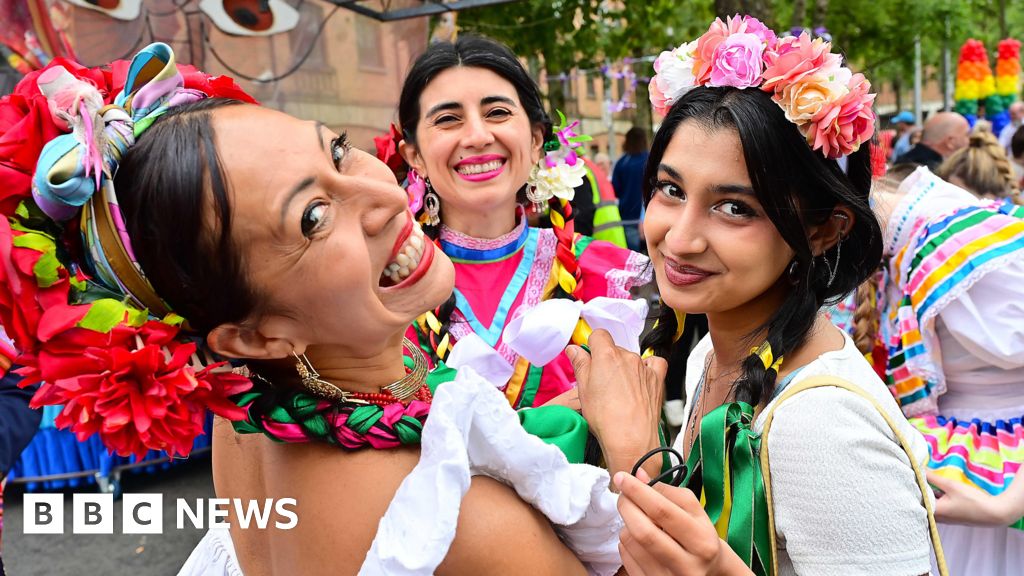
Belfast's Mela festival is marking two decades of cultural exchange this year with an expanded nine-day programme that draws performers, artists and food vendors from across multiple communities. The milestone anniversary reflects the event's evolution from a niche gathering into one of Northern Ireland's largest celebrations of multicultural identity.
Since its inception 20 years ago, the Mela has grown into a platform where South Asian, African, Caribbean and European cultural traditions converge. The festival operates across multiple venues in Belfast's city centre, transforming public spaces into stages for live performances, culinary demonstrations and interactive arts installations.
Programming Across Nine Days
The 2026 anniversary edition features music and dance performances that span traditional South Asian classical forms, contemporary fusion acts and live world music ensembles. Food offerings represent recipes and cooking techniques from at least a dozen different culinary traditions, with stalls operated by community organisations and independent vendors who use the festival as a platform to share authentic cuisine.
Arts programming includes visual installations, interactive workshops and live street performance, with particular emphasis on youth engagement through dance battles, hip-hop performances and contemporary theatre productions. The event attracts an estimated attendance in the tens of thousands across its nine-day run.
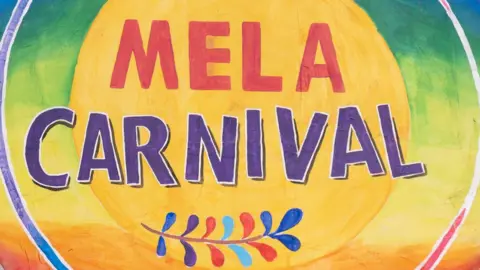
Community Integration and Economic Impact
Belfast's Mela operates as a vehicle for social cohesion, drawing participants from communities that reflect the city's changing demographic composition. The festival provides performance opportunities for emerging artists and generates economic activity through vendor fees, hospitality spending and tourism interest.
Local community organisations leverage the Mela as a fundraising opportunity, with several charities operating food stalls and merchandise stands. The event also serves as a testing ground for cultural partnerships between established institutions and grassroots community groups, creating networking opportunities that often extend beyond the festival dates.
The 20th anniversary represents a moment of institutional recognition for what began as a modest community initiative. Planning committees have expanded beyond the original South Asian diaspora groups to include representation from African, Caribbean and Eastern European communities, reflecting Belfast's increasingly diverse population.