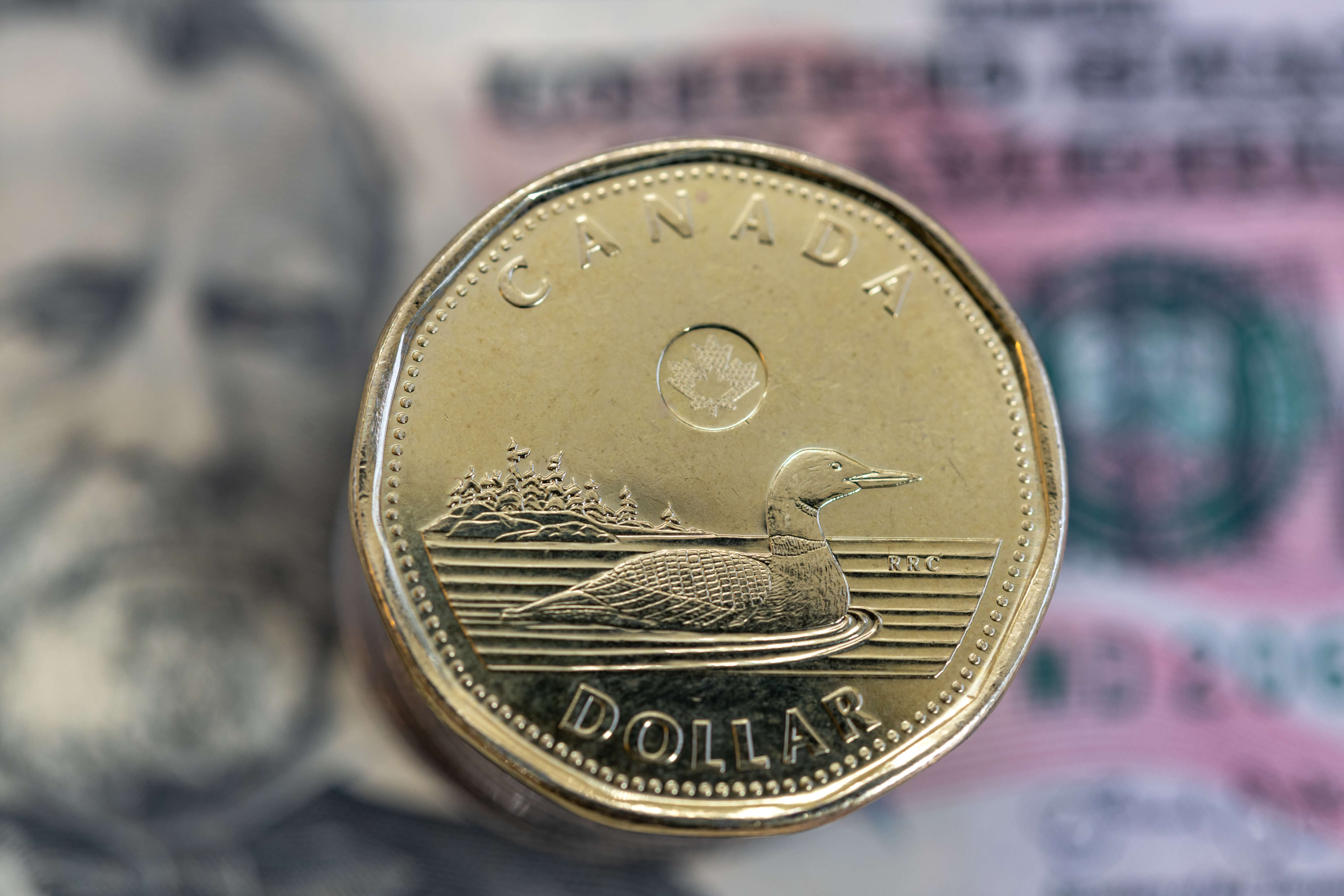
Negotiations between Ottawa and Washington have collapsed into an all-out trade conflict. The U.S. implemented 50% tariffs on approximately $20 billion in Canadian exports on August 19, targeting automobiles, dairy products, alcohol, and other goods. The Canadian dollar weakened sharply across major currency pairs as markets absorbed the tariff shock.
ING strategists captured the asymmetry in a Monday analysis: "As a smaller, more open economy, Canada has more to lose from this." Canada's export-dependent structure—with the U.S. accounting for roughly three-quarters of its trade—leaves it vulnerable to retaliatory measures that larger, more domestically focused economies can better absorb.

What triggered the tariff surge?
The White House cited "discriminatory treatment" of American products as justification for the steep levies. The timing coincides with renegotiations of the USMCA (United States-Mexico-Canada Agreement), the trilateral trade framework that replaced NAFTA. Broader efforts to reconstruct a global tariff regime—after the U.S. Supreme Court previously struck down an earlier iteration—also underpin the administration's approach.
These tariffs represent the opening salvo in a much larger conflict. The 50% rate applies across multiple sectors critical to Canada's economy, creating immediate pressure on manufacturers, farmers, and exporters who depend on cross-border supply chains.
How does this reshape trade dynamics?
Tariff escalations in integrated supply chains force companies to choose between absorbing costs or passing them to consumers. For Canadian exporters selling into the U.S., the 50% duty makes their products far less competitive against domestic alternatives. This affects not just major industries but also small businesses embedded in North American production networks.
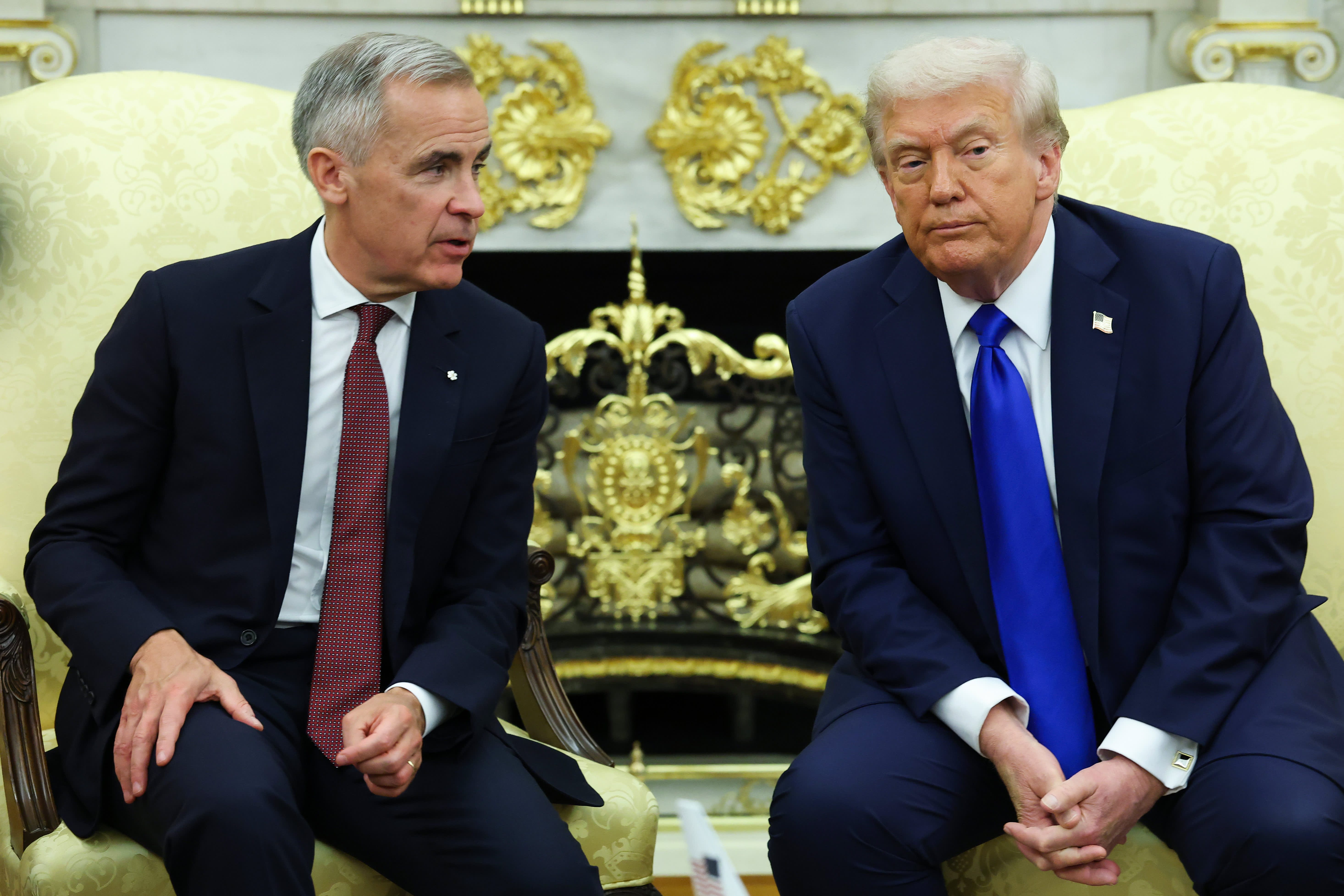
Currency weakness typically benefits exporters by making goods cheaper abroad, but that advantage erodes when tariff walls are raised simultaneously. A weaker Canadian dollar cannot offset a 50% tariff penalty, meaning exporters face a compressed margin squeeze with limited relief.
What's at stake for both economies?
Negotiators claiming "they asked too much" suggests concessions demanded by Washington exceeded Canada's willingness to compromise. Whether the dispute resolves through further negotiation or escalates depends on Ottawa's next moves and domestic political tolerance for trade pain.
The broader question looms: Does this represent a temporary negotiating tactic or the start of sustained protectionism that reshapes North American trade for years? Market movements suggest investors are pricing in prolonged tension rather than swift resolution.