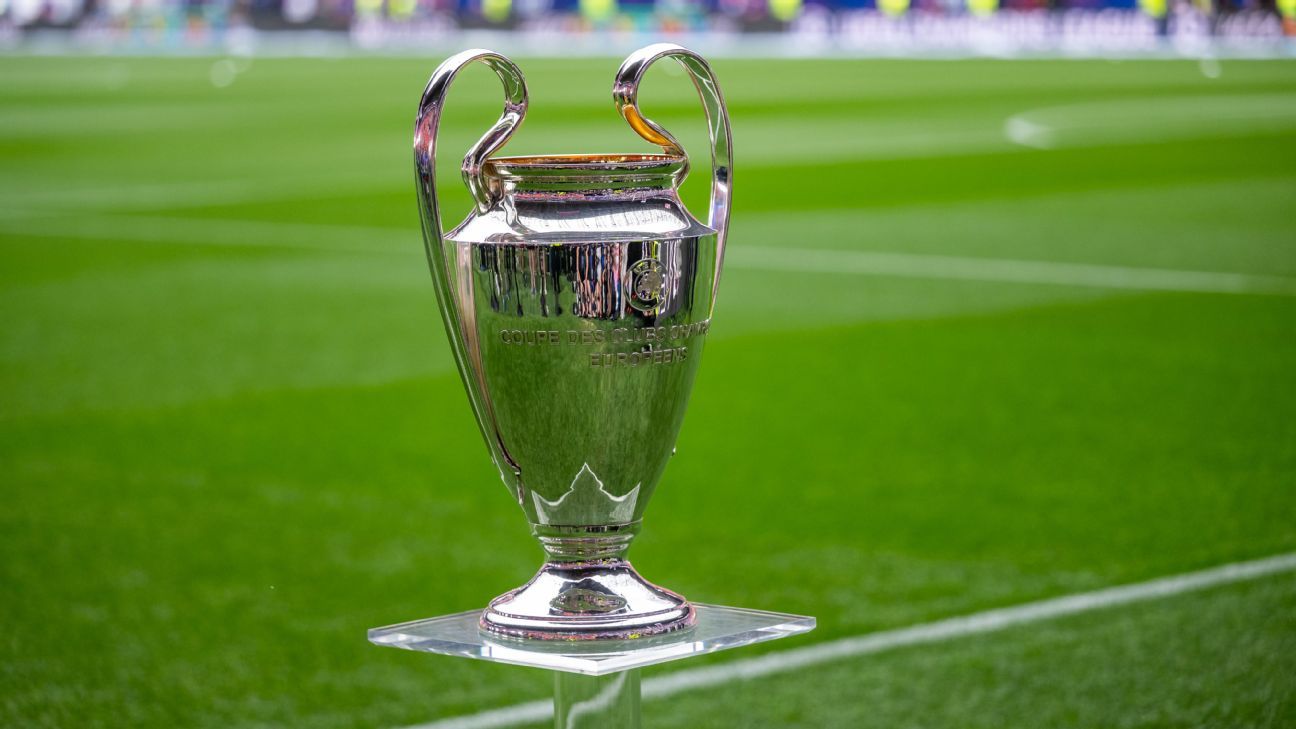
The UEFA Champions League is undergoing its most significant structural change in decades. Beginning in the 2026-27 season, the competition abandons the traditional group stage format in favor of a single league phase where all participating teams compete on equal footing. This fundamental shift reshapes how Europe's elite clubs qualify for knockout rounds.

When Does the League Phase Draw Take Place?
UEFA scheduled the official draw for August 26, 2026, marking the formal announcement of matchups for the inaugural league phase season. The timing aligns with the standard pre-season calendar, allowing clubs roughly two months to prepare before competition begins in September.
This early announcement enables broadcasters, media partners, and sponsorship teams to coordinate promotional strategies around marquee fixtures. Unlike previous years where group assignments determined a team's competitive destiny, the league phase draw now functions as a comprehensive fixture announcement rather than a survival-of-the-group mechanism.
How Does the New League Phase Format Work?
Under the reformed structure, 36 teams enter a unified league rather than dividing into eight groups of four. Each club plays eight matches against opponents determined through a balanced seeding system, ensuring competitive equity while maintaining geographical and sporting balance.
The top eight teams advance directly to the Round of 16, while positions 9 through 24 compete in a playoff round for the remaining eight spots. This middle tier creates genuine stakes for clubs finishing outside automatic qualification but still harboring realistic advancement hopes. Teams finishing 25th or lower are eliminated, losing the safety net that group stage runners-up previously enjoyed.
What Changes for Participating Teams?
The expanded league phase increases guaranteed matches from six group games to eight league fixtures, boosting revenue and exposure for all participants. However, the reduction from 16 teams in the Round of 16 to eight direct qualifiers intensifies competition at the top of the table.
Clubs must now compete more aggressively throughout the league phase, as traditional powerhouses receive no automatic knockout qualification. Even strong performers can face playoff elimination, fundamentally altering strategic calculations around squad rotation and fixture management.
Why Did UEFA Make This Change?
UEFA's overhaul addresses long-standing criticisms of predictable group stage outcomes and uncompetitive matches once qualification was mathematically secured. The new format eliminates scenarios where leading teams rest players in final matches, potentially disappointing fans and broadcasters.
Financially, the expanded league phase generates additional matchdays and increased broadcasting opportunities. UEFA projects substantially higher television rights revenues while claiming the format enhances competitive balance by preventing any single team from controlling group advancement mathematically for extended periods.