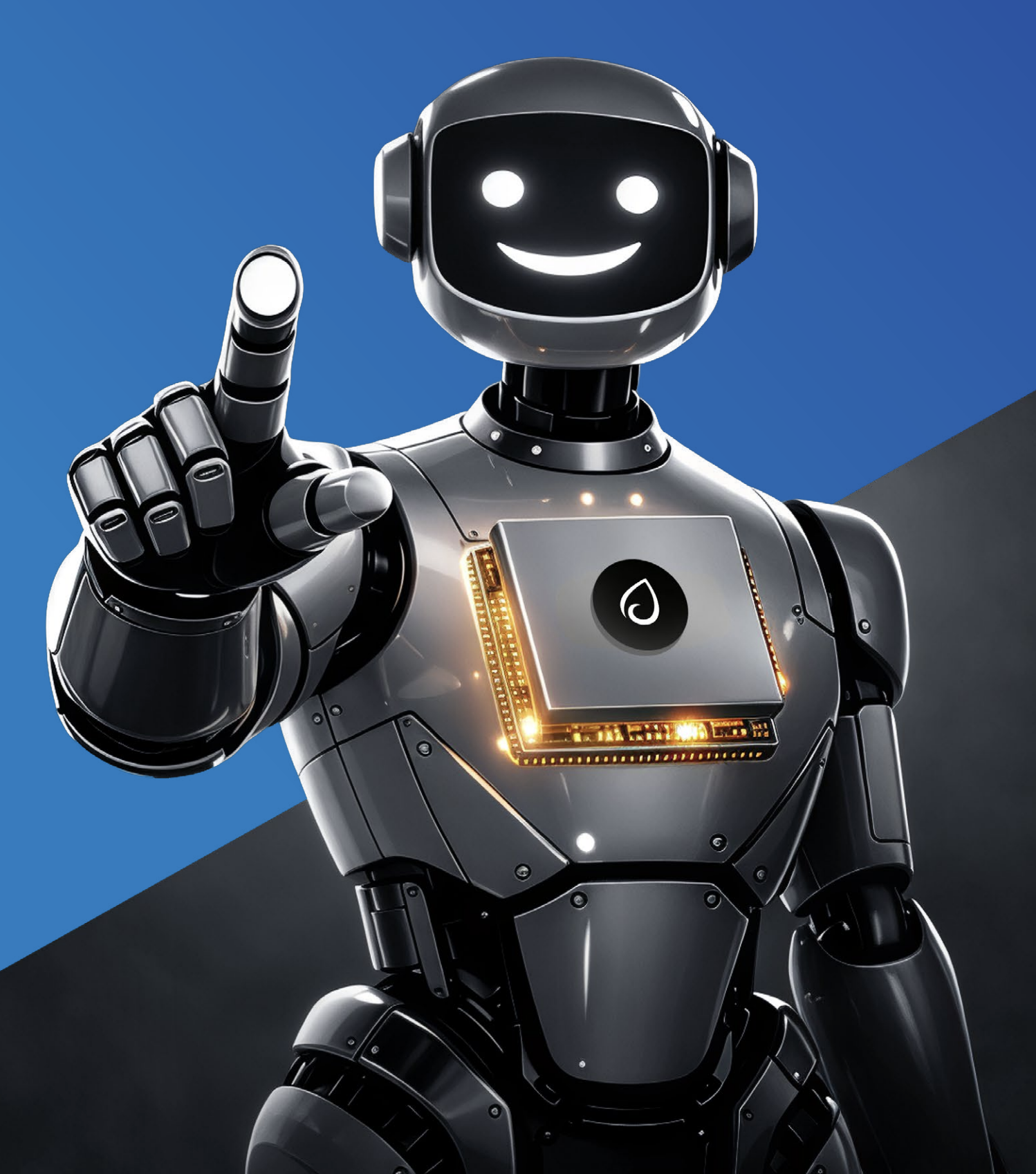
Edge Computing Platforms Enable Real-Time AI Processing in Physical Robotics
Edge computing platforms now allow robots and autonomous systems to process AI workloads locally, eliminating cloud dependency and latency issues.
Key Takeaways
Edge computing platforms let robots process AI workloads on-device, removing cloud dependency and latency bottlenecks in physical AI.
Industrial robots with edge computing respond to production line changes in milliseconds, versus 50-100 millisecond delays typical of cloud processing.
Autonomous vehicles benefit because navigation and safety decisions cannot tolerate network interruptions or latency spikes.
Local processing enables robots to run computer vision, sensor data, and decision-making algorithms simultaneously, improving human-robot collaboration.
Eliminating constant internet connectivity requirements allows robot deployment in locations with limited network infrastructure while retaining full AI functionality.
Bluebprod Editorial
Edge computing platforms now enable robots and autonomous systems to process AI workloads directly on-device, eliminating the need for cloud connectivity and removing latency bottlenecks that have limited physical AI applications. This technological shift allows robots to make split-second decisions without waiting for data transmission to remote servers.
Manufacturing and Autonomous Systems Lead Adoption
Manufacturing automation and autonomous vehicles represent the primary use cases driving edge AI adoption in robotics. Industrial robots equipped with edge computing can respond to production line changes in milliseconds rather than the 50-100 millisecond delays typical with cloud-based processing.
Autonomous vehicles particularly benefit from local AI processing, as navigation and safety decisions cannot tolerate network connectivity interruptions or latency spikes that could occur during cloud communication.
Edge AI platforms create the foundation for more sophisticated human-robot collaboration by enabling immediate response to environmental changes and human actions. Robots can now process computer vision, sensor data, and decision-making algorithms simultaneously on local hardware.
The technology eliminates previous constraints where robots required constant internet connectivity to access AI capabilities hosted in data centers. This independence allows deployment in locations with limited network infrastructure while maintaining full AI functionality.
Edge computing allows robots and autonomous systems to process AI workloads directly on local hardware instead of sending data to remote cloud servers, enabling split-second decisions without transmission delays.
How much faster is edge AI compared to cloud-based processing for robots?
Industrial robots with edge computing can respond to production line changes in milliseconds, compared to the 50-100 millisecond delays typical with cloud-based processing.
Which industries are leading edge AI adoption in robotics?
Manufacturing automation and autonomous vehicles are the primary use cases, as both require immediate, reliable responses that cannot tolerate network latency or connectivity interruptions.
Can edge-enabled robots operate without internet connectivity?
Yes. Edge AI removes the need for constant connectivity to data centers, allowing robots to be deployed in locations with limited network infrastructure while maintaining full AI functionality.