For most of the last decade, the longevity conversation was obsessed with a single number: how long can a human live? In the summer of 2026, that framing looks increasingly dated. The dominant idea now is healthspan—the stretch of life spent strong, mobile and mentally sharp—rather than lifespan alone. The shift sounds subtle, but it has changed what people buy, how clinics operate, and what "aging well" even means.
From anti-aging to functional capacity
The clearest signal is linguistic. "Anti-aging," with its cosmetic baggage, has fallen out of favor among serious practitioners. In its place sits functional capacity: grip strength, gait speed, balance, VO2 max and cognitive clarity. These are things you can test, track and improve, and they correlate far more tightly with independence in later life than any wrinkle cream ever did.
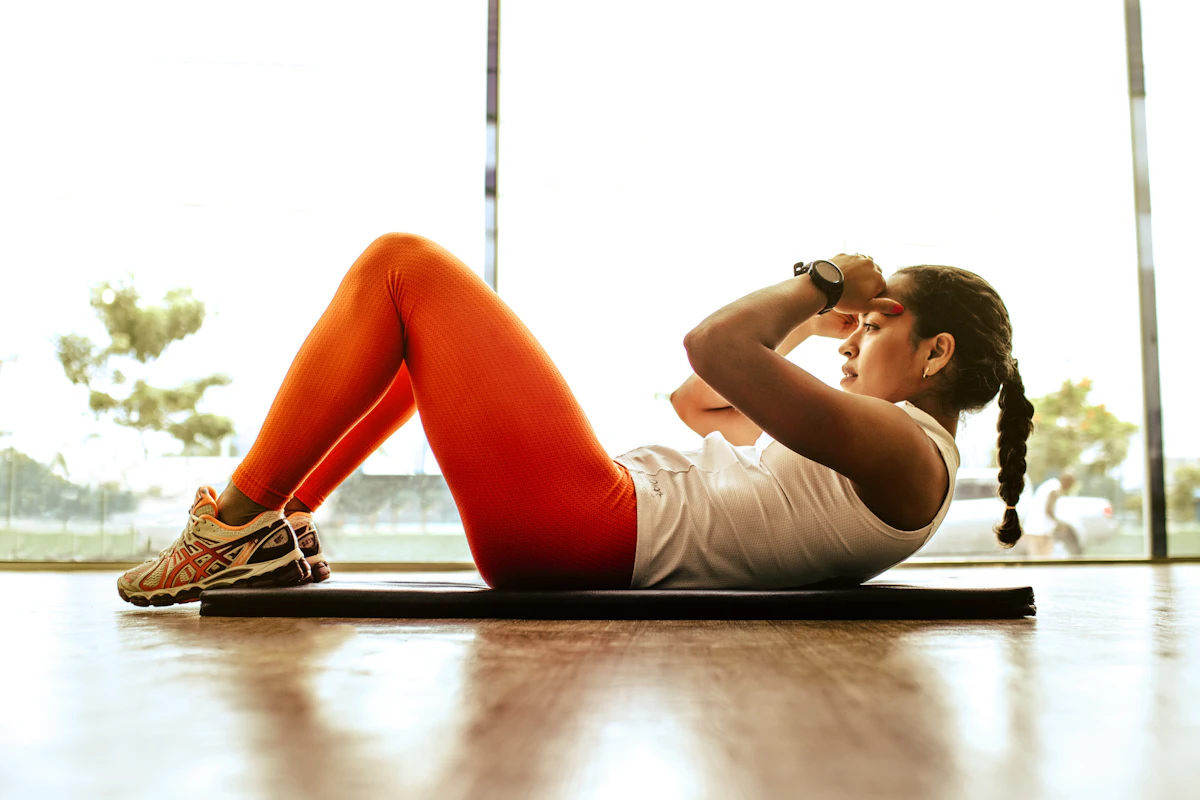
This has real consequences for how people train. Strength work and mobility have displaced endless cardio as the centerpiece of midlife fitness, and the global explosion of hybrid fitness races has given weekend athletes a concrete benchmark to chase. The goal is no longer to look younger; it is to still be able to carry your own groceries at ninety.
Women's longevity finally gets its own map
One of the year's most important corrections is the move toward gender-specific protocols. For decades, longevity research leaned on data drawn largely from men and then applied it uniformly. In 2026, clinicians are treating hormonal health—and ovarian aging in particular—as a systemic driver of how women age, rather than a symptom to be managed at menopause. It is a reframing that treats the endocrine system as a command center, not an afterthought.
Biohacking goes mainstream
What was once the province of a small, well-funded elite has become surprisingly ordinary. Advanced diagnostics that go well beyond a standard blood panel—metabolomic screens, inflammatory markers, genetic risk scores—are now marketed to ordinary consumers who want to catch problems before symptoms appear. Personal AI health coaches, stitched together from wearable data, offer daily nudges on sleep, nutrition and recovery.
- Recovery as strategy: Sleep hygiene, heat therapy and deliberate digital detoxing are treated as performance inputs, not indulgences.
- Community as medicine: Mounting evidence that social connection rivals exercise for longevity has fueled group fitness and multi-generational wellness retreats.
- Prevention over treatment: The prevailing mindset is that individuals have more control over their trajectory than previous generations assumed.
The orchestration layer
Perhaps the biggest structural change is conceptual. Wellness is no longer a product category you visit—a supplement, a class, a spa day. It has become an orchestration layer that links fitness, healthcare, beauty and technology into a single, ongoing system of life design. The winners of 2026 are not selling miracle molecules; they are selling coherence, turning a scatter of habits into something that actually compounds over time.
The through-line is a demand for evidence. Consumers want interventions that show up on a test result, not just in a marketing claim—and that quiet insistence on proof may be the most durable trend of all.