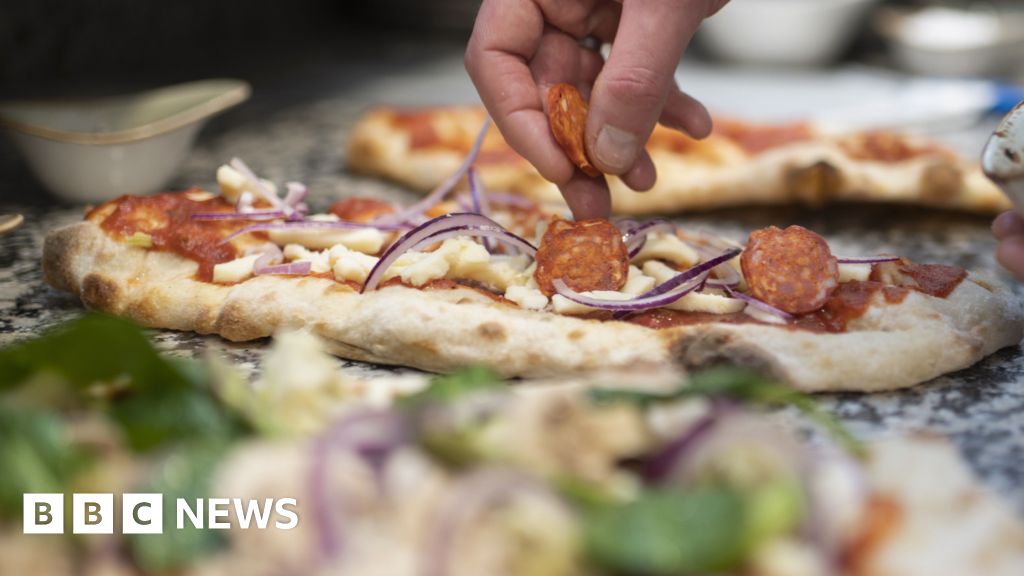
Automated pizza production has proven far more challenging than manufacturers anticipated. Recent deployment failures across multiple pizza restaurants suggest that robotics technology, despite rapid advances in other sectors, still struggles with the nuanced demands of food preparation.
The obstacles highlight a fundamental gap between laboratory performance and real-world kitchen conditions. Pizza-making requires simultaneous precision in dough handling, topping distribution, temperature control, and timing—tasks that demand adaptive decision-making rather than pre-programmed sequences.
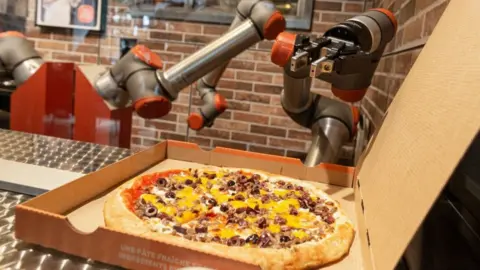
Why Is Food Preparation So Difficult for Robots?
Unlike manufacturing environments with controlled variables, kitchens present unpredictable material properties. Dough consistency varies based on humidity, flour type, and fermentation stage. Toppings require different handling approaches depending on texture and weight distribution. Robots optimized for repetitive, standardized tasks struggle when inputs deviate from specifications.
Current robotic systems also lack the sensory feedback necessary for quality assessment. Human pizzaiolos judge readiness through touch, sight, and sound—cues that require sophisticated computer vision and haptic sensors to replicate. Many commercial pizza robots lack this capability, resulting in inconsistent outputs or failed batches.
What Went Wrong in Recent Deployments?
Multiple restaurants reported mechanical breakdowns, software errors, and quality issues that offset any labor savings. Extended downtime meant returning to manual production while repairs proceeded. Some establishments found that customer acceptance of robot-made pizzas declined when quality failed to match human-prepared alternatives.
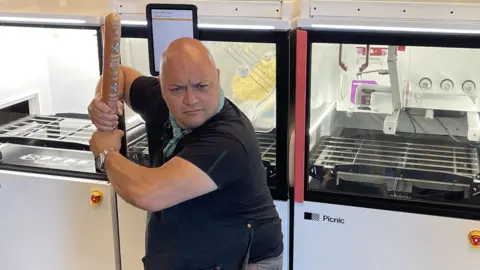
Beyond technical failures, integration challenges emerged. Existing kitchen layouts required expensive retrofitting. Training staff to supervise and troubleshoot robots added operational complexity rather than reducing it. Many restaurants discovered that the capital investment—often $150,000 to $300,000 per unit—could not be justified by labor cost reductions alone.
Where Does Kitchen Automation Go From Here?
The pizza robot setbacks do not eliminate automation potential in foodservice. Instead, they point toward a different path: augmentation rather than replacement. Robots might handle specific, isolated tasks—dough stretching or sauce application—while humans manage assembly, quality control, and customer interaction.
Advances in artificial intelligence and sensor technology may eventually address current limitations. However, the timeline remains uncertain. For now, restaurants are reconsidering whether today's commercial pizza robots represent genuine operational improvement or expensive experiments in misapplied technology.