For most of the past decade, fitness culture treated cardio and strength training as rival tribes. In 2026, that debate has quietly ended. A wave of large cohort studies has converged on a single, unglamorous conclusion: the people who live longest and stay functional into old age are the ones who do both, in a fairly specific weekly dose.
The clearest signal comes from cardiorespiratory fitness. VO2 max—the maximum rate at which your body can use oxygen during hard effort—remains the strongest single physiological predictor of all-cause mortality that researchers have found. It outperforms blood pressure, resting heart rate and most lab markers. The practical problem is that VO2 max is difficult to move if you only ever exercise at an easy pace.
The Zone 2 base, and its limits
This is where 2026 thinking has matured. Zone 2 training—steady effort at roughly 60 to 70 percent of maximum heart rate, the pace where you can still hold a conversation—builds the aerobic base. It improves mitochondrial density and metabolic flexibility, and it is gentle enough to accumulate hours without wrecking recovery.
But coaches increasingly warn about the “volume trap.” Zone 2 rewards those who can train many hours a week. For time-crunched people managing five or six hours, easy pace alone often plateaus. The fix is intensity: one or more weekly sessions of VO2 max intervals or threshold work to push the aerobic ceiling higher.
Strength is no longer optional
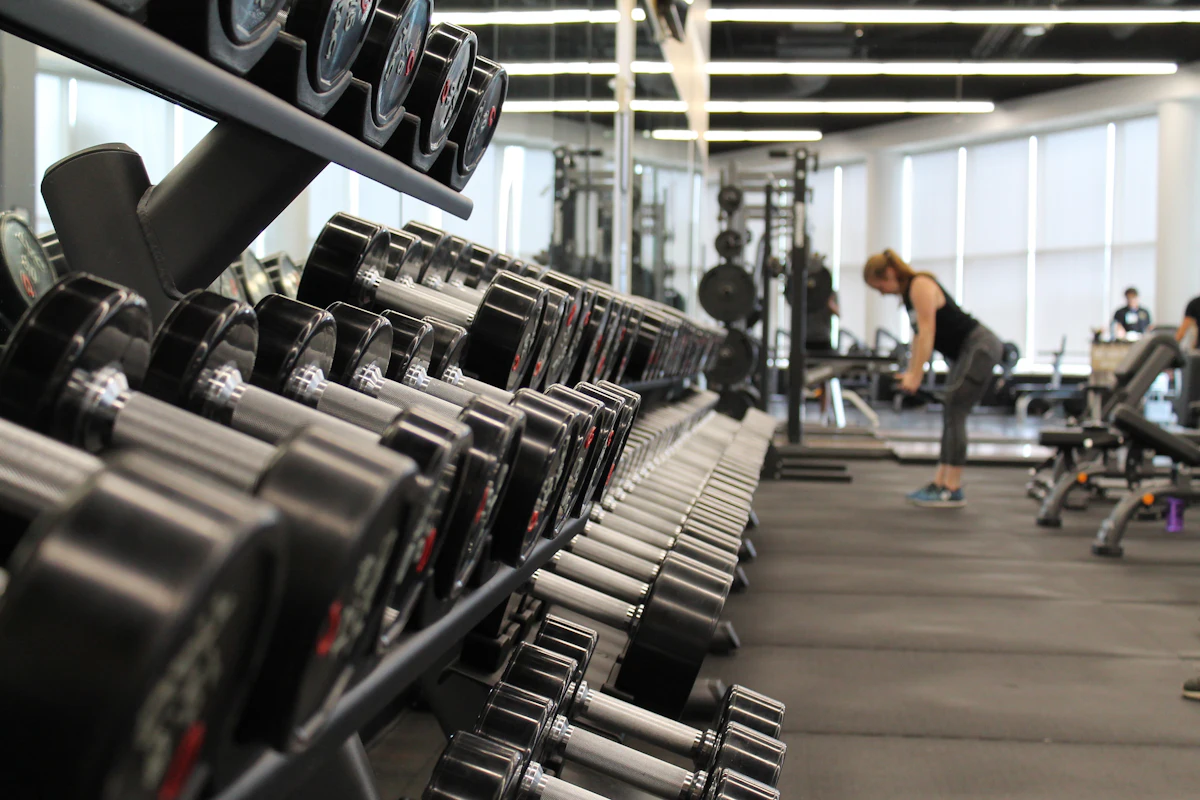
The bigger shift of 2026 is how seriously resistance training is now taken. Studies published this year highlight a sweet spot of roughly 90 to 120 minutes of strength work per week. When that dose is layered on top of regular aerobic exercise, the reduction in cardiovascular and neurological mortality risk is substantial—larger than either modality delivers alone.
Strength training also protects the things that actually determine independence in later life: muscle mass, bone density, balance and the ability to get off the floor unaided. Sarcopenia, the age-related loss of muscle, is now understood as a driver of frailty rather than a cosmetic concern.
What a practical week looks like
- Aerobic base: the bulk of your cardio at conversational Zone 2 pace.
- Intensity: at least one weekly high-effort session to lift VO2 max.
- Strength: two to three resistance sessions totalling 90 to 120 minutes, covering major movement patterns.
- Recovery: enough sleep and easy days that the hard sessions actually adapt.
Wearables have made this easier to manage, offering heart-rate zones, recovery estimates through heart-rate variability, and long-term VO2 max trends. They are accurate enough for tracking direction over time, though not a substitute for a lab test. The emerging caution for 2026 is against outsourcing every decision to an algorithm: devices track trends well, but perceived effort and honest self-assessment still matter.
The takeaway is refreshingly simple. Stop choosing sides. Build an aerobic base, sharpen it with occasional intensity, and lift weights on most weeks. That combination, not any single miracle protocol, is what the 2026 evidence rewards.