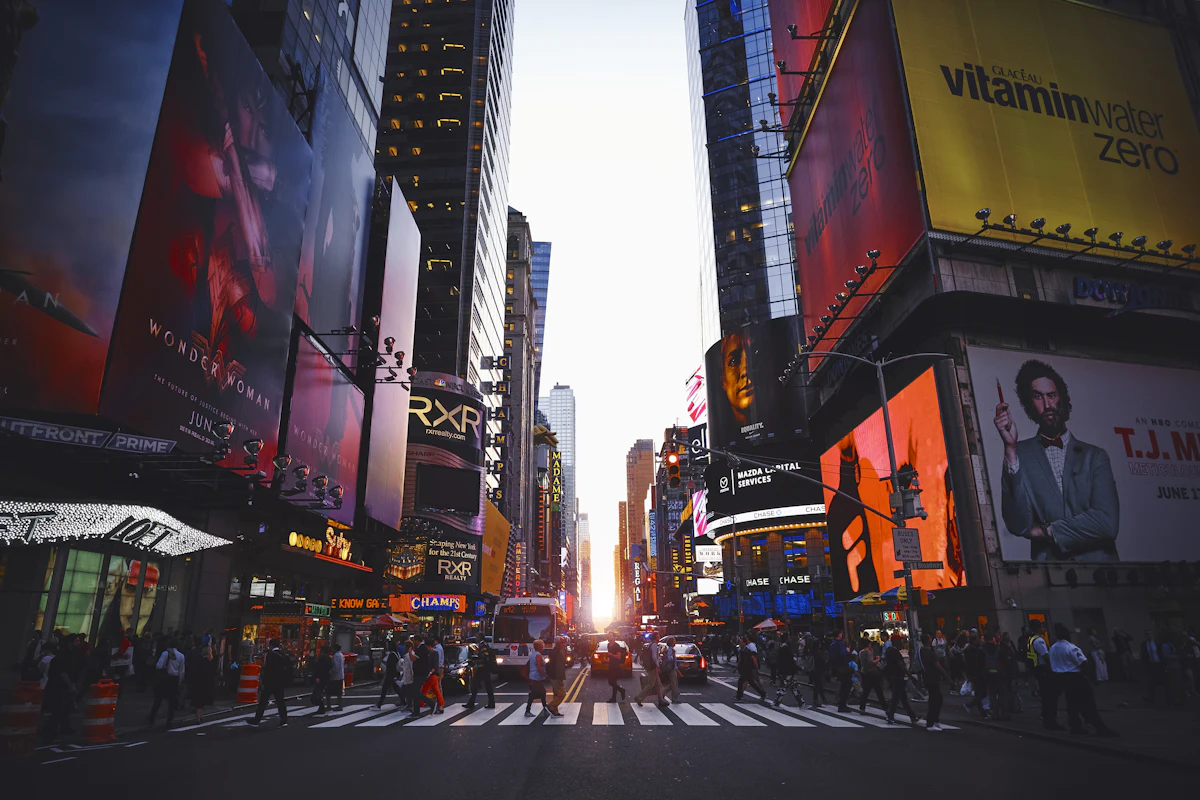
For decades, the world's great tourism rankings counted things you could measure with a clipboard: hotel rooms, airport capacity, convention floor space. The 2026 Global Tourism City Attractiveness Index, released this July, throws that playbook out. Instead of counting beds, it measures feelings, and by that yardstick no city on earth is loved quite like New York.
Developed by Yanolja Research together with Purdue University's hospitality institute and Kyung Hee University's tourism analytics center, the index mines global social media conversations across fourteen languages. The goal is to capture what researchers call demand-side appeal, the emotional imprint a destination leaves on the people who visit it and the millions more who dream about it from afar.
The 2026 Top Five
- New York claims the crown, praised for a rare pairing of global visibility and genuinely warm visitor sentiment.
- Paris holds second, its romance and cultural gravity undimmed.
- Osaka takes third, a striking result for Japan's food-obsessed second city.
- Kyoto sits fourth, proof that heritage still moves people.
- Seoul rounds out the top five on the strength of its cultural exports.
Why the Method Matters
The distinction is more than academic. Traditional indices reward cities that build the most, which tends to favor sprawling business hubs. This approach rewards cities that are remembered fondly, which is a very different thing. A destination can be efficient without being beloved, and it can be beloved without being convenient. By listening to how travelers actually talk about a place, the index surfaces the emotional resonance that drives the next booking.
New York's victory captures that nuance perfectly. It is not the easiest city to visit, nor the cheapest, nor the calmest. Yet the sheer density of stories people tell about it, the first Broadway curtain, the skyline at dusk, a slice eaten on a stoop, gives it a cultural footprint few rivals can match.
Japan's Quiet Triumph
The standout regional story is Japan. Placing both Osaka and Kyoto in the global top five signals that the country's appeal now runs far deeper than Tokyo. Osaka's warmth, humor and street-food culture translate into affection online, while Kyoto's temples and seasonal rituals generate a steady stream of awe. Together they show that a nation can win hearts through character rather than scale.
What Travelers Can Take From It
For anyone planning a 2026 trip, the index is less a bucket list than a mood board. It rewards places that make visitors feel something lasting, and it quietly nudges travelers to ask a better question before they book. Not simply where can I go, but where will I still be thinking about long after I come home. On that measure, the world has spoken, and it is dreaming of New York.