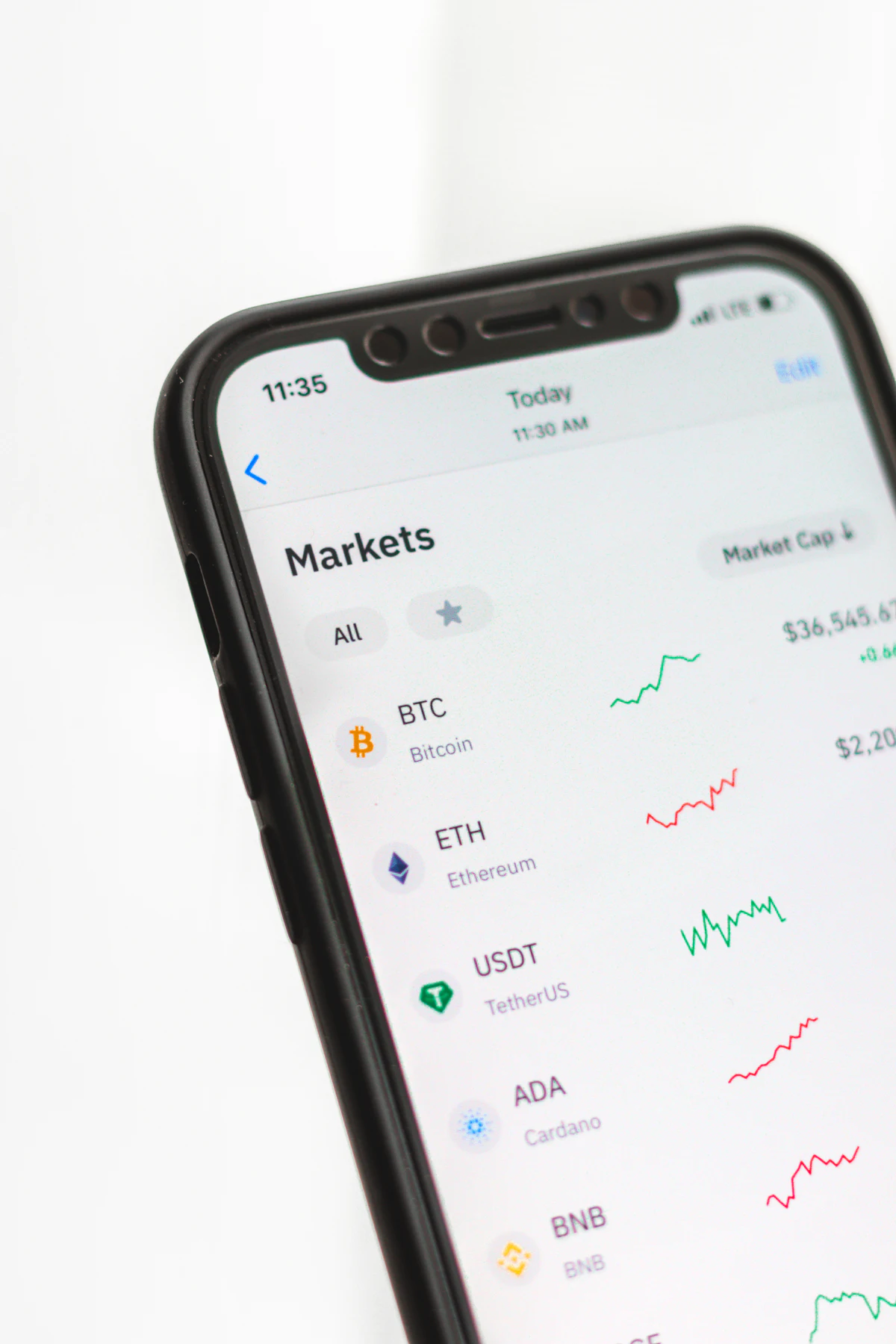
Digital assets spent the first half of 2026 in the cold. A genuine crypto winter, aggravated by stubborn inflation and record outflows from spot ETFs, dragged Bitcoin from its October 2025 peak near $126,000 all the way down to a 21-month low around $58,000 in late June. As of mid-July, the tone has shifted from capitulation to cautious optimism, but nobody is calling it a new bull market yet.
Where prices stand
Bitcoin has climbed back to just below the $65,000 level, and traders are fixated on a pivot near $65,600. Until the market can close decisively above that threshold, the recovery looks more like a relief rally than a trend change. Ether has been the stronger performer of the two, pushing toward the $1,900 to $1,950 band, with a Fibonacci level around $1,926 seen as the gate to a run at $2,041. Even so, Ether remains down roughly 36 percent for the year, a reminder of how deep the drawdown was.
What changed in July
The turn owes less to crypto-native catalysts than to macro. Softer U.S. inflation data trimmed expectations of further Fed tightening, and a weaker dollar gave risk assets room to breathe. That macro tailwind showed up directly in fund flows.
- After an eight-week streak of redemptions, Bitcoin and Ether ETFs recorded net inflows in early July.
- Kraken moved to launch linear, USD-settled options on BTC and ETH, courting more sophisticated institutional desks.
- Corporate accumulators such as Bitmine Immersion continued to add Ether to their treasuries, framing it as a hedge against an AI-dominated economy.
The regulatory overhang
The policy backdrop remains a work in progress. Markets are digesting the rollout of stablecoin rules under frameworks like the U.S. GENIUS Act, the United Kingdom's incoming crypto regime, and continued scrutiny of privacy coins. Clearer rules could ultimately widen institutional participation, but the transition period keeps a layer of uncertainty over the sector.
The takeaway
The setup for the second half is a market trying to convince itself the worst is over. The building blocks of a recovery are there: reviving ETF demand, deeper derivatives infrastructure and a friendlier rate outlook. What is missing is conviction. Volume remains thin, and a single hawkish surprise from the Fed or a fresh geopolitical shock could knock prices back below support. For investors, the lesson of the past year still applies: position sizes should assume volatility rather than fight it. The cautious comeback is real, but in crypto, comebacks are rarely a straight line.