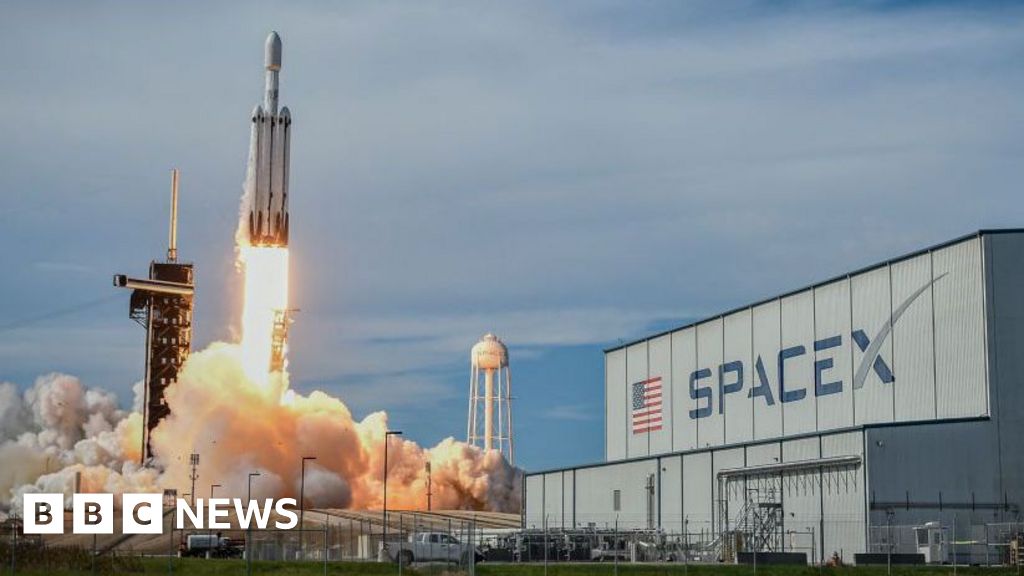
SpaceX is undertaking its most ambitious infrastructure project yet: a $100 billion launch facility in Louisiana designed to establish a new hub for commercial and government rocket operations. The facility aims to begin sending rockets to orbit by 2029, marking a significant expansion of the company's launch capacity.
This development underscores a critical trend in the aerospace sector: the consolidation of launch infrastructure around private operators rather than government agencies. SpaceX already operates launch facilities at Cape Canaveral in Florida and Boca Chica in Texas. The Louisiana site would represent a third major hub, enabling higher launch cadences and redundancy across North America.
Strategic Positioning in a Competitive Launch Market
The investment reflects intensifying competition within the commercial space sector. United Launch Alliance, a joint venture between Boeing and Lockheed Martin, has long dominated government contracts through its Delta IV and Atlas V platforms. Blue Origin, founded by Jeff Bezos, is scaling its New Glenn orbital vehicle and New Shepard suborbital operations. Relativity Space, Axiom Space, and international providers including Arianespace and the Chinese space establishment are all expanding capacity.
SpaceX's current Starship vehicle—a fully reusable super-heavy-lift system still in development—requires multiple launch sites to achieve the company's stated cadence targets of hundreds of launches annually by the 2030s. A third facility in Louisiana, geographically positioned between Florida and Texas, could optimize launch windows, reduce turnaround times, and provide geographic diversity for national security missions.
Infrastructure Investment and Economic Trade-offs
The $100 billion figure positions this among the largest private aerospace investments in history. By comparison, SpaceX's Starbase facility in Boca Chica required roughly $20 billion in development. The Louisiana facility's scale suggests ambitions beyond launch operations—potentially including manufacturing, assembly, and support infrastructure.
However, the timeline carries risk. Achieving operational status by 2029 demands regulatory approval, environmental clearance, and construction on an unprecedented timeline. SpaceX has faced permitting delays at Boca Chica, including temporary flight suspensions following launch mishaps. Louisiana's regulatory environment and weather patterns will influence both costs and schedule.
The facility's development also signals confidence in sustained demand for launch services. Commercial satellite operators, national governments, and the U.S. Space Force all depend on reliable, frequent access to orbit. SpaceX's willingness to commit $100 billion suggests management believes this demand will justify the investment well into the 2030s.