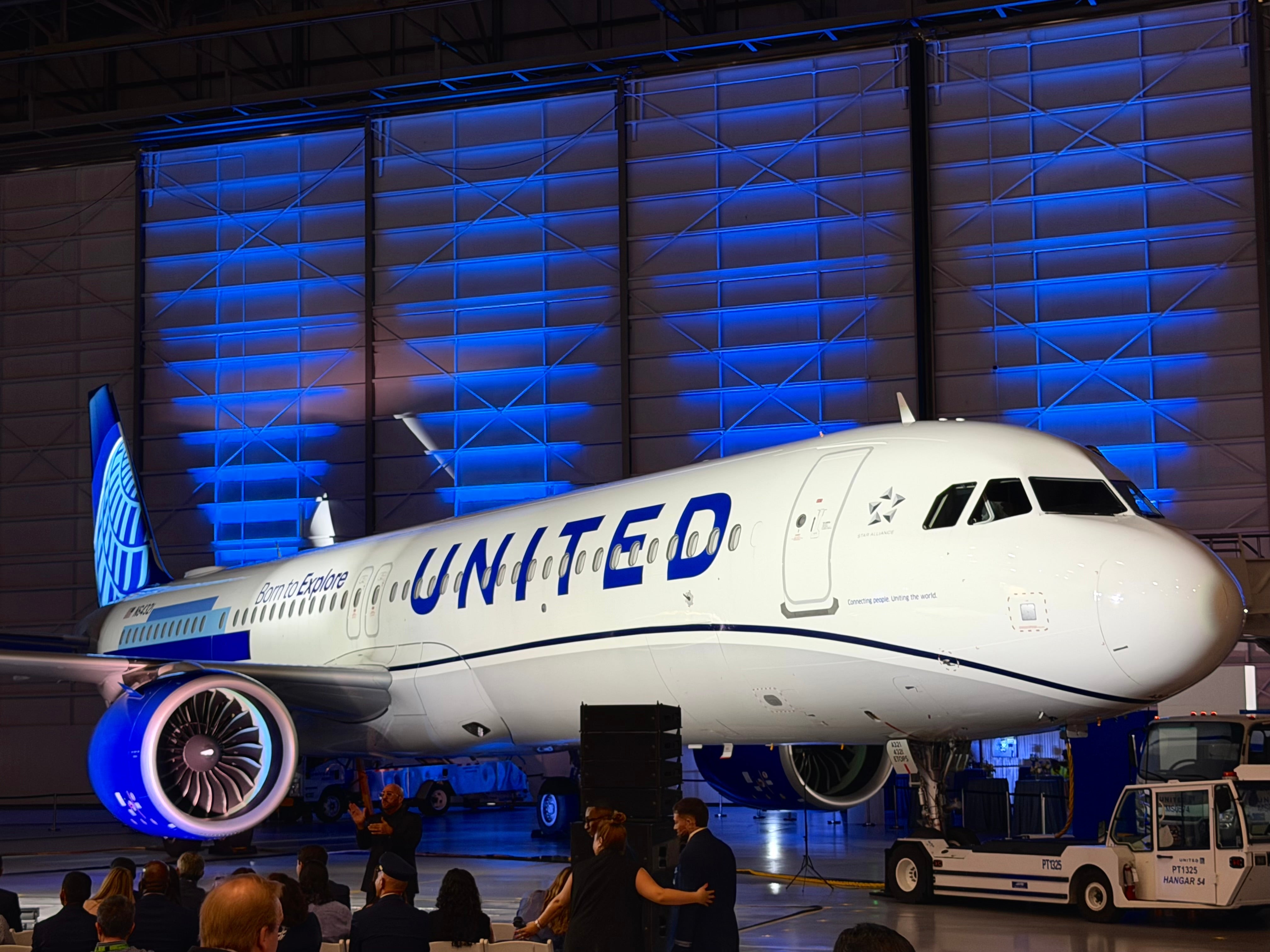
United Airlines is deploying the Airbus A321XLR, a long-range single-aisle aircraft, to serve transatlantic routes starting in the coming months. This shift represents a fundamental change in how airlines approach European connectivity, moving beyond the traditional wide-body jets that have dominated intercontinental travel for decades.

How does the A321XLR extend single-aisle capabilities?
The A321XLR achieves its extended range through four key engineering enhancements. First, it carries additional fuel—approximately 32,000 liters compared to standard A321 models—stored in a new center fuselage tank. Second, its engines are optimized for efficiency over long distances rather than rapid acceleration. Third, the airframe uses advanced composite materials that reduce weight by roughly 1,500 kilograms compared to earlier variants. Fourth, aerodynamic refinements including a new winglet design decrease drag during cruise.
These modifications allow the A321XLR to operate routes up to 4,700 nautical miles—roughly equivalent to New York to London or Chicago to Shannon, Ireland. United's configuration seats approximately 244 passengers across three cabins: Polaris business class, United Premium Plus, and economy, optimizing revenue across different fare segments.
Why are airlines adopting single-aisle transatlantic service?
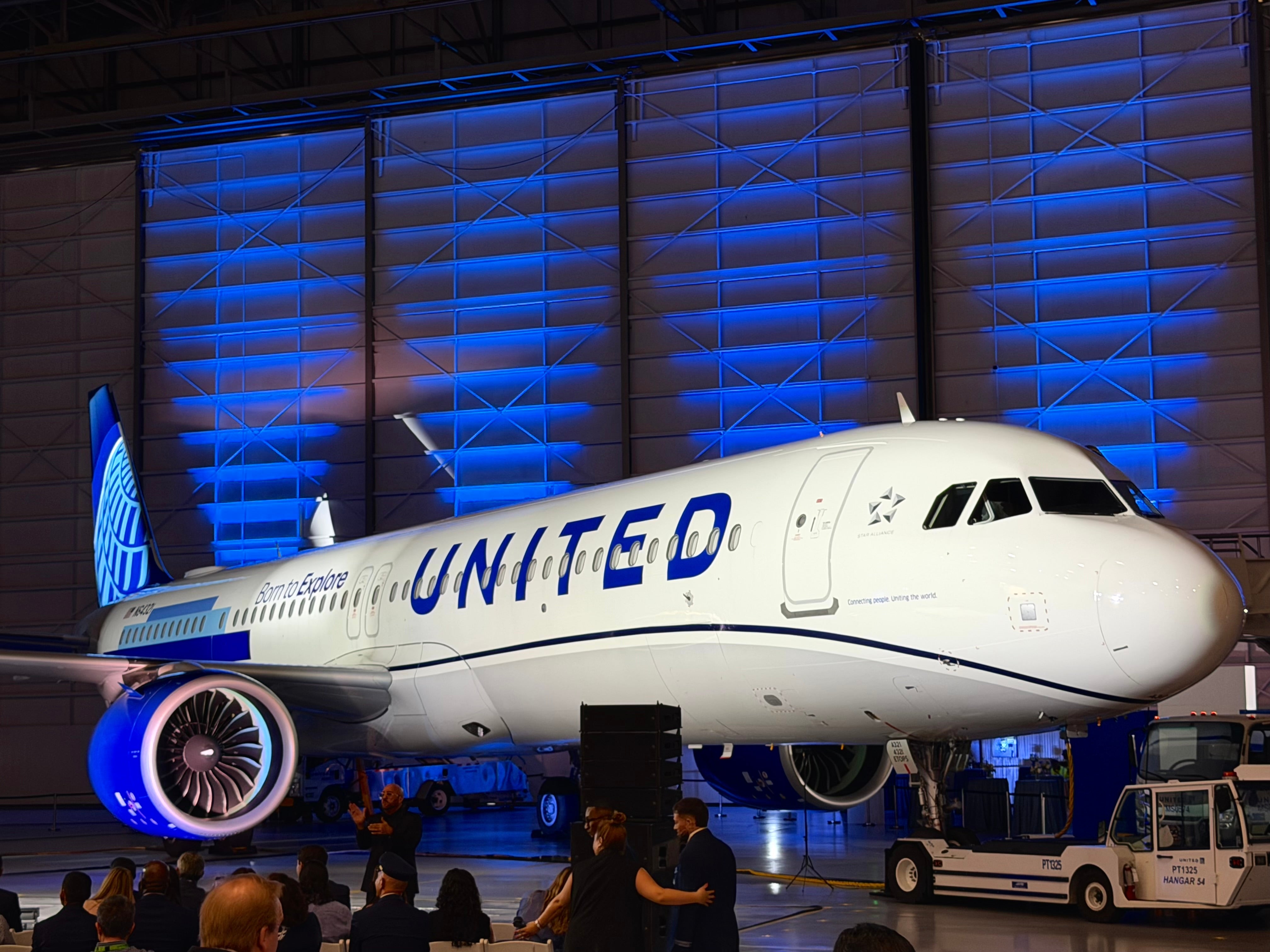
Operating costs favor the A321XLR significantly. Fuel consumption per seat is 20-25 percent lower than wide-body alternatives like the Boeing 787 or Airbus A350. Crew training is simpler since pilots already familiar with A320 family aircraft require minimal additional certification. Maintenance expenses decline because single-aisle jets operate at lower pressurization levels and with less complex systems.
For United specifically, the A321XLR fills a strategic gap. The airline can deploy routes with moderate demand—historically underserved by wide-body operators due to high operating costs—while maintaining profitability. European leisure destinations that couldn't support daily wide-body service become viable with smaller, more efficient aircraft.
What does this mean for passenger experience?
Cabin comfort presents trade-offs. Polaris business-class passengers receive lie-flat seats and meal service comparable to wide-body offerings. However, the narrower fuselage means less shoulder space in all cabins than wide-body competitors. Cabin altitude operates at 6,000 feet rather than 5,000 feet on larger aircraft, potentially affecting passenger comfort on 7-8 hour flights.
United begins A321XLR operations in 2026, with initial routes targeting London, Dublin, and Frankfurt. The airline has ordered 70 aircraft, with deliveries extending through 2031. This deployment reflects broader industry momentum: Air France, Iberia, and other carriers have placed significant orders for the A321XLR, suggesting a structural shift in transatlantic capacity planning.