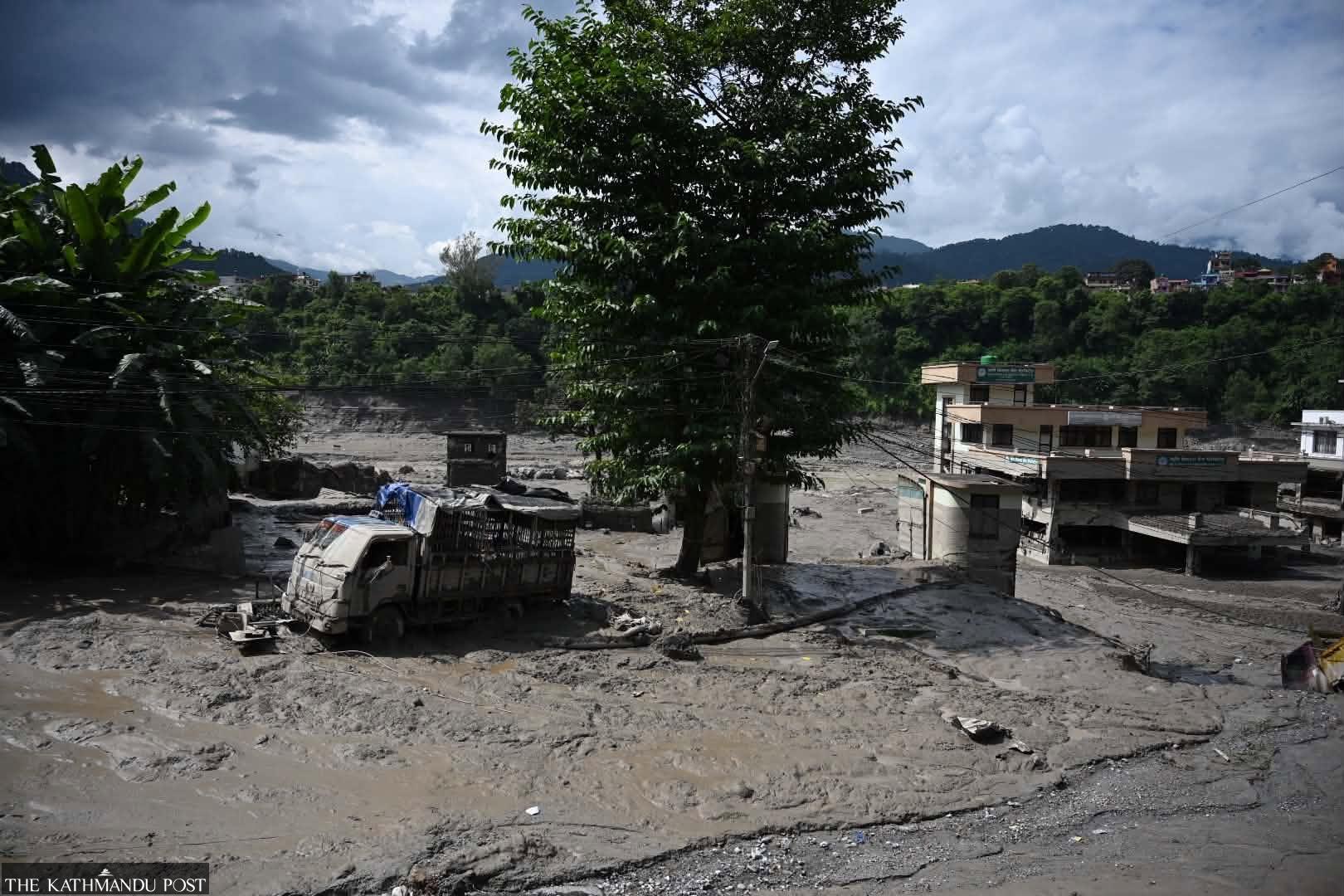
The Bhotekoshi river, which flows through Nepal's eastern mountains, experienced a devastating flood that has left communities scrambling to assess damage and coordinate relief efforts. The deluge caught residents and authorities off guard, overwhelming infrastructure and disrupting transportation links in the region.

The Scale of the Disaster
Initial reports indicate the flood affected multiple settlements along the river basin, with homes, bridges, and roads submerged under turbulent waters. Local authorities have been working to document casualties and identify missing persons, though exact figures continue to be updated as rescue teams access remote areas. Several villages in the affected zone lost critical infrastructure, including water supply systems and electricity networks.
The flooding damaged agricultural land and livestock herds, threatening food security for farmers who depend on the season's harvest. Transportation routes connecting to the capital were temporarily severed, isolating some communities and hampering rescue and supply delivery operations.

Response and Recovery Efforts
Government agencies mobilized emergency responders to conduct search and rescue operations across the flooded areas. Local organizations partnered with national authorities to provide temporary shelters, medical aid, and food supplies to displaced residents. Engineers assessed structural damage to bridges and roads to determine repair priorities and restore connectivity.
Community leaders have called for increased investment in early warning systems and disaster preparedness infrastructure. They emphasized that better monitoring of river levels and weather patterns could provide crucial time for evacuation before future flooding events.
Humanitarian organizations have begun distributing relief packages and setting up medical camps in accessible areas. The long-term recovery process will require rebuilding homes, restoring farmland, and reconstructing critical infrastructure—a task that will unfold over months. Officials are documenting the disaster's impact to support insurance claims and apply for national disaster relief funds.
As cleanup continues, attention is turning toward implementing better flood management systems and updating building codes to withstand future natural disasters in this geographically vulnerable region.