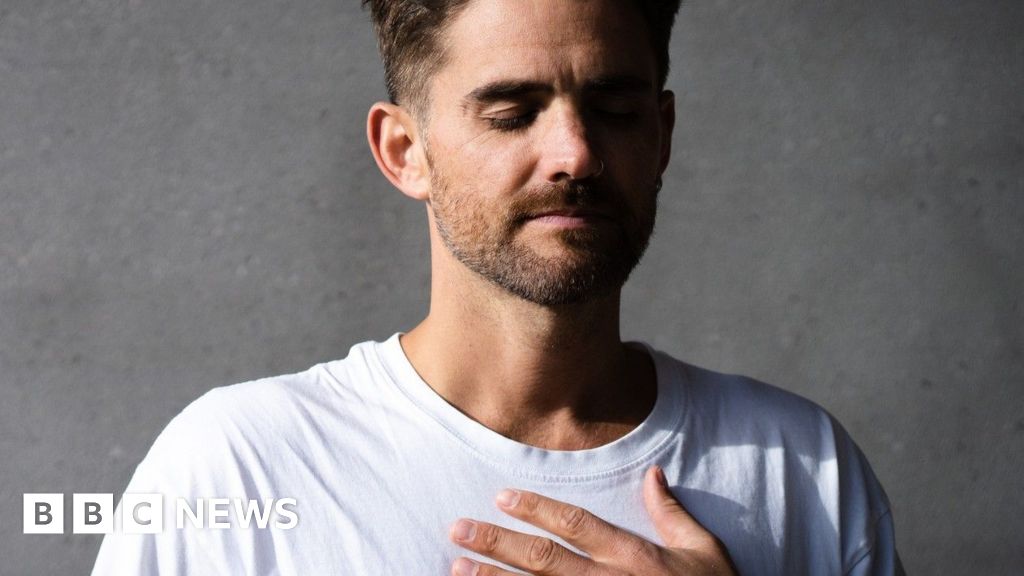
Box breathing has emerged as one of the most practical stress-management tools available to individuals facing high-pressure situations. The technique, which involves inhaling, holding, exhaling, and holding again—each for equal four-count intervals—is gaining traction far beyond its military origins, with adoption among corporate leaders, athletes, and wellness influencers seeking evidence-based anxiety relief.
The mechanism is straightforward but effective. By creating a rhythmic pattern that demands conscious attention, box breathing activates the parasympathetic nervous system—the body's natural brake pedal for stress responses. Military personnel have long relied on this method during combat operations and high-stakes training scenarios where emotional regulation directly impacts performance and survival outcomes.
Why Box Breathing Works in High-Stress Environments
The effectiveness of box breathing stems from its ability to interrupt the stress response cycle. When anxiety spikes, breathing patterns become shallow and rapid—a physiological state that reinforces the psychological sense of danger. By deliberately slowing respiration to a measured pace, practitioners provide their nervous system with tangible evidence that the threat has diminished, triggering a cascade of calming neurochemical responses.
Neurologically, controlled breathing exercises increase heart rate variability, a marker of nervous system flexibility and resilience. Studies indicate that individuals who practice structured breathing techniques demonstrate lower cortisol levels—the primary stress hormone—within minutes of beginning the practice. The technique's appeal lies partly in its accessibility: it requires no equipment, no special location, and can be deployed during meetings, before presentations, or during moments of acute anxiety.
Military special operations units have integrated box breathing into standard protocols for over a decade. Navy SEALs, in particular, teach the technique as a foundational tool for maintaining cognitive function under extreme duress. The practice's adoption within these elite units has provided a powerful real-world validation that transcends laboratory environments.
Market Adoption and Consumer Awareness
Beyond military applications, box breathing has entered mainstream consciousness through wellness platforms, meditation apps, and corporate wellness programs. Influencers have documented the practice on social media, framing it as an accessible mental health intervention that complements other stress-management approaches such as mindfulness and exercise.
The technique's rise reflects a broader cultural shift toward behavioral interventions for anxiety and stress management. Unlike pharmaceutical approaches, box breathing offers immediate, side-effect-free relief, making it particularly attractive in workplace settings where performance optimization drives adoption. Corporate environments increasingly offer breathing exercises as part of mental health initiatives, recognizing that stress management directly correlates with productivity and employee retention.
The trade-off with box breathing remains modest: consistent practice yields better results than sporadic use, and individuals with certain respiratory conditions should consult medical professionals before adoption. For most practitioners, however, the technique represents a low-friction tool for self-regulation that can be implemented immediately without professional guidance or financial investment.