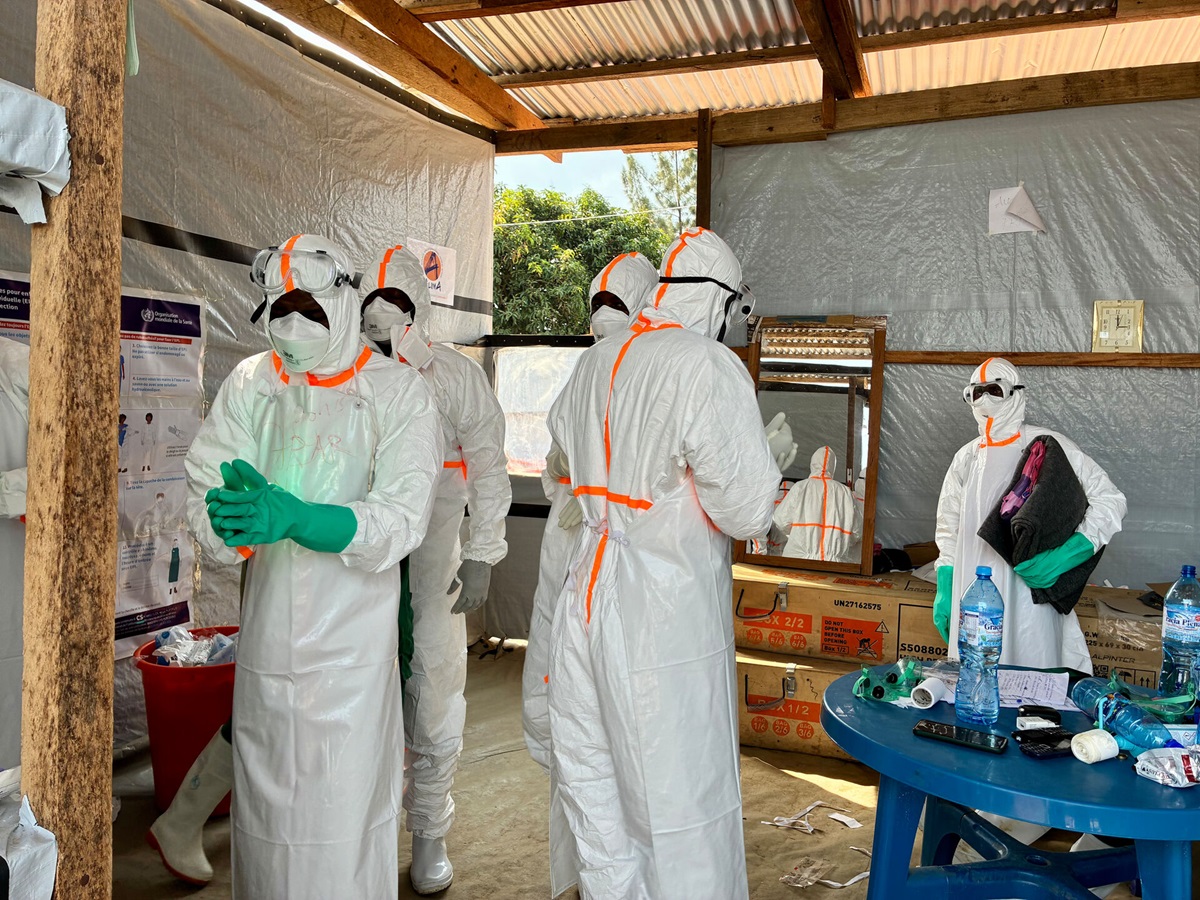
In August 2026, a critical vaccine allocation marked a turning point in the Democratic Republic of the Congo's response to an active Bundibugyo virus disease outbreak. The WHO and Africa CDC jointly welcomed the government's request for Ervebo vaccines, released from the global Ebola virus disease vaccine stockpile managed by the International Coordinating Group on Vaccine Provision (ICG).

What triggered this vaccine release?
The DRC government formally requested the vaccine allocation in response to the ongoing Bundibugyo virus disease outbreak. This specific request prompted the ICG to evaluate the epidemiological situation and determine whether conditions warranted accessing the strategically maintained global stockpile. The decision to approve the release reflected confidence that the vaccines would provide immediate protective benefit to vulnerable populations in affected regions.
How does the global vaccine stockpile work?
The International Coordinating Group on Vaccine Provision manages a strategically positioned reserve of Ebola vaccines available for emergency deployment during confirmed outbreaks. Countries can request allocation based on epidemiological evidence and outbreak severity. The stockpile system represents a collaborative framework allowing rapid response without delays caused by individual procurement timelines.
This coordinated approach ensures that vaccines reach outbreak sites quickly and equitably, prioritizing regions with the greatest public health need. The approval process involves rapid assessment by ICG members to balance equitable global access with immediate outbreak containment.
Why is Ervebo the approved vaccine for this response?
Ervebo has demonstrated efficacy against Ebola virus infection and has been integrated into emergency response protocols across Africa. The vaccine's inclusion in the global stockpile reflects extensive clinical evaluation and regulatory approval by health authorities. Its deployment in the DRC outbreak represents a proven strategy for reducing transmission and protecting healthcare workers and close contacts of confirmed cases.
What happens next in the DRC response?
Following vaccine allocation approval, implementation teams coordinate distribution, cold chain logistics, and targeted vaccination campaigns in affected areas. Healthcare workers, contacts of confirmed cases, and high-risk populations typically receive priority access. Monitoring systems track vaccination coverage and adverse events to ensure safety and effectiveness throughout the campaign.
The WHO and Africa CDC continue providing technical support for outbreak investigation, case management, and contact tracing operations alongside vaccination efforts. Joint coordination between international agencies and national health authorities strengthens the overall response capacity and sustainability of containment measures.