Most travelers arrive in Tanzania chasing lions, craters, and the endless golden plains of the Serengeti. Yet ask anyone who has truly spent time here, and they will tell you the deepest memories are rarely of the animals. They are of the people: a Maasai elder sharing stories by firelight, the rhythm of a drum drifting across a village at dusk, the warmth of a stranger who greets you with a smile and a heartfelt “Karibu” — welcome. Tanzania is a country of more than 120 ethnic groups, and its culture is as vast and varied as its landscapes.
A Nation United by Language
One of Tanzania's quiet miracles is its unity. In a continent where colonial borders often fractured communities, Tanzania forged a shared identity through Swahili, or Kiswahili, the national language spoken across nearly every household. Championed by the country's first president, Julius Nyerere, Swahili became a great equalizer, bridging dozens of tribes into one national conversation. For travelers, a few words go a long way. “Jambo” (hello), “Asante” (thank you), and “Hakuna matata” (no worries) will earn you delighted grins wherever you go. Learning even a handful of phrases signals respect, and Tanzanians are famously generous in return.
The Peoples of Tanzania
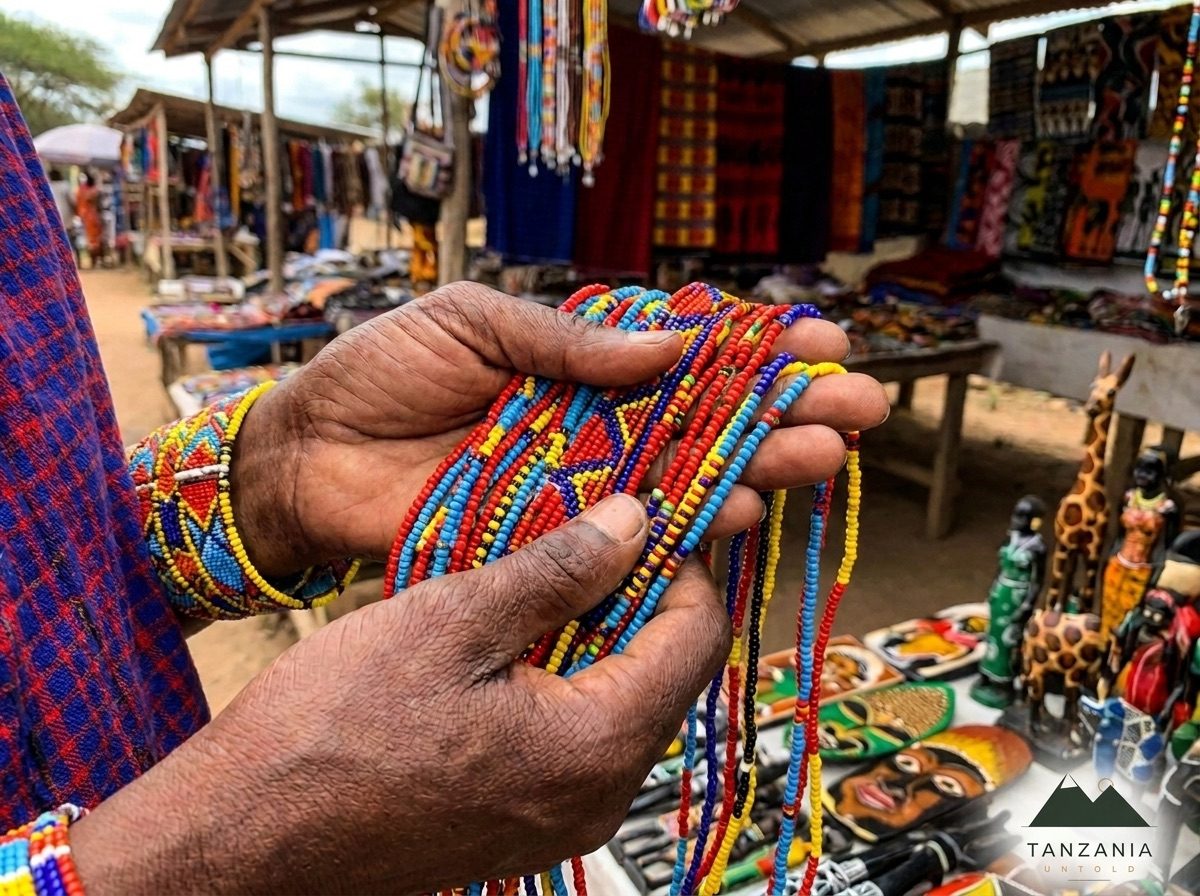
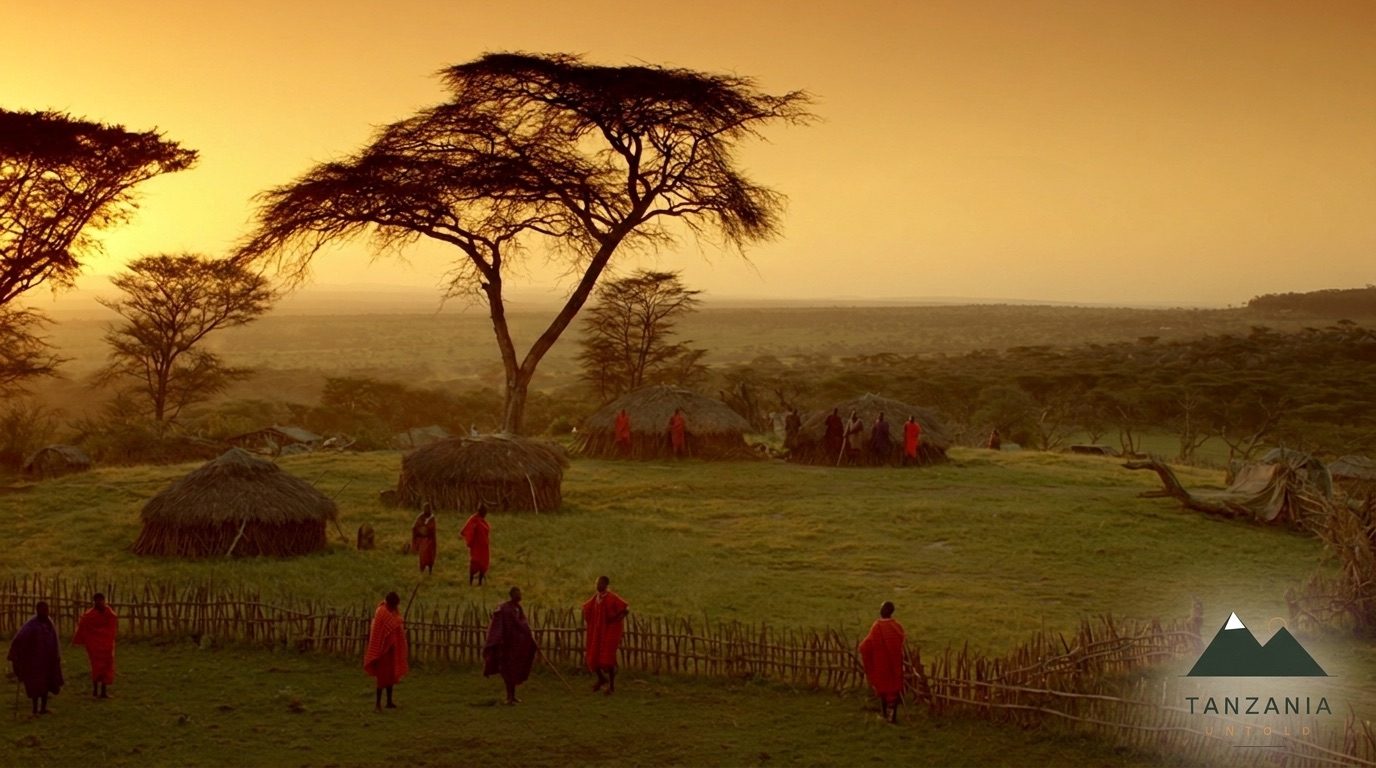
The Maasai are perhaps the most iconic, instantly recognizable in their crimson shukas and beaded jewelry, herding cattle across the plains near Ngorongoro and the Serengeti. Their semi-nomadic way of life has endured for centuries, and many communities now welcome visitors into their bomas to witness the adumu, the famous jumping dance, and to learn how cattle sit at the heart of Maasai wealth and tradition. But Tanzania's cultural mosaic runs far deeper. The Chagga people farm the fertile slopes of Kilimanjaro, cultivating coffee and bananas in ingenious terraced gardens. Along the coast and on Zanzibar, Swahili culture blends African, Arab, Persian, and Indian influences into a distinctive world of carved wooden doors, fragrant spice markets, and centuries-old trade routes. The Hadzabe, near Lake Eyasi, remain one of the last true hunter-gatherer societies on Earth, their click-based language and bushcraft offering a window into humanity's oldest way of living.
Rhythm, Craft, and Celebration
Music and dance are woven into daily life. From the coastal taarab orchestras of Zanzibar — lush, poetic, and Arabic-inflected — to the energetic ngoma drumming of the mainland, sound is a form of storytelling, celebration, and prayer. Contemporary Tanzania pulses with Bongo Flava, a homegrown hip-hop and R&B movement born in Dar es Salaam that now dominates airwaves across East Africa. Craftsmanship is equally rich: intricate Makonde ebony carvings, vibrant Tingatinga paintings with their playful animals and bold colors, and the beadwork that adorns Maasai and Datoga women alike. Bringing home a piece bought directly from an artisan is a way to carry a fragment of Tanzania's soul with you.
Experiencing Culture Respectfully
The most rewarding cultural encounters come from genuine curiosity rather than spectacle. Community-based tourism is flourishing across Tanzania, from village walks around Mto wa Mbu — where more than a hundred tribes coexist — to coffee tours with Chagga farmers and cooking classes in Stone Town. When visiting, dress modestly, especially in Muslim coastal areas and on Zanzibar, and always ask before photographing people. Choose operators who partner directly with communities so that your money supports the families who host you. A shared meal of ugali and stew, eaten with the right hand as tradition dictates, can teach you more about Tanzania than any guidebook.
The Takeaway
Tanzania rewards the traveler who slows down. The safari will dazzle you, and the beaches will soothe you, but it is the culture — the languages, the laughter, the music, and the unhurried hospitality — that will call you back. On your next journey, build in time to sit with the people who call this remarkable land home. Say “Jambo,” share a meal, learn a dance step, and let Tanzania reveal the untold story behind its wild beauty. You will leave with far more than photographs.