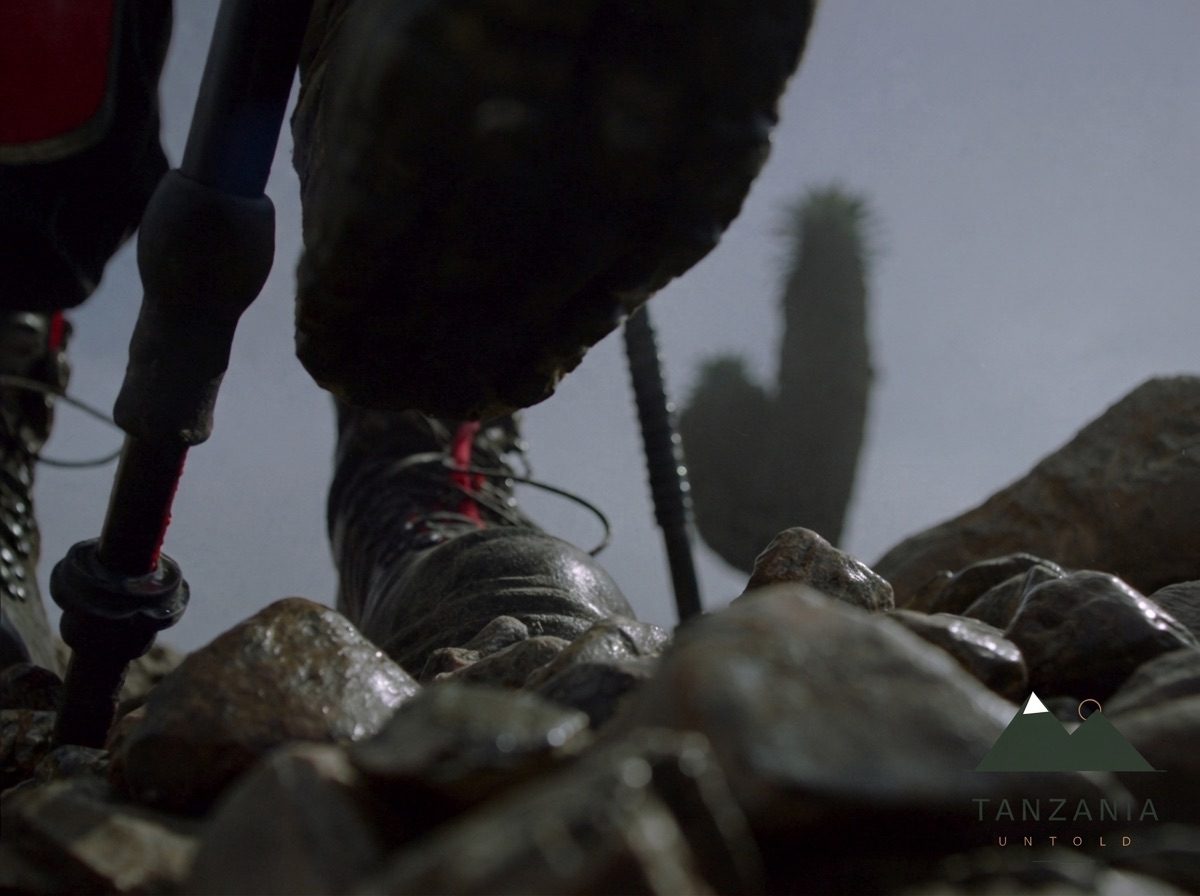
There is a moment on every Kilimanjaro climb when the chatter fades and the mountain takes over. Somewhere above the clouds, with the plains of northern Tanzania spread out below like a rumpled map, you realize you are walking toward the highest point on the African continent on your own two feet. No ropes, no oxygen tanks for most routes, no technical climbing gear. Just you, a good pair of boots, a patient team of guides and porters, and roughly 5,895 meters of ancient volcano rising out of the savanna. For travelers dreaming of Tanzania, Kilimanjaro is the ultimate bucket-list challenge, and the good news is that it is far more attainable than most people imagine.
Why Kilimanjaro Captures the Imagination
Kilimanjaro is the tallest freestanding mountain in the world, meaning it is not part of a larger range but rises alone, dramatically, from the surrounding plains near the town of Moshi. It is also the highest peak in Africa, one of the celebrated Seven Summits that mountaineers chase across the globe. What sets Kilimanjaro apart is that it is a walk, not a climb, in the technical sense. Reasonably fit travelers with determination and a sensible approach to altitude can reach Uhuru Peak, the summit, without ever needing to rappel or handle an ice axe. That accessibility, combined with the sheer romance of standing atop Africa, draws tens of thousands of trekkers to Tanzania every year.
The journey to the top is a journey through the world's climate zones compressed into a single mountainside. You begin in lush rainforest alive with blue monkeys and birdsong, climb through heather and moorland dotted with otherworldly giant lobelias, cross a high-altitude alpine desert of dust and rock, and finally reach the arctic summit zone where glaciers cling to the crater rim. Few places on earth let you experience so much of the planet in less than a week of walking.
Choosing Your Route
There is no single path up Kilimanjaro, and the route you choose shapes your entire experience. The Marangu route, nicknamed the Coca-Cola route, is the only one with hut accommodation and is often the shortest, but its quick ascent gives climbers less time to acclimatize and lower success rates. The Machame route, or Whiskey route, is the most popular for good reason: it is scenic, follows a climb-high sleep-low profile that aids acclimatization, and rewards the effort with spectacular views of the Barranco Wall. The Lemosho and Northern Circuit routes are longer, quieter, and offer the best odds of reaching the summit because they give your body more days to adjust. As a rule, the more days you spend on the mountain, the higher your chances of success and the more you will actually enjoy the trek.
The Altitude Question
The single biggest factor in whether trekkers reach the summit is not fitness but altitude. Above 3,000 meters, thin air affects everyone regardless of age or athletic ability, and the mountain guides have a mantra you will hear constantly: pole pole, Swahili for slowly, slowly. Walking at a deliberate, unhurried pace, drinking three to four liters of water a day, and choosing a longer itinerary all dramatically improve your odds. Many climbers also consult their doctor about altitude medication before the trip. Listening to your guides, who read the signs of altitude sickness expertly, is the smartest thing you can do on the mountain.
The People Who Get You There
No account of Kilimanjaro is complete without the porters and guides who make the climb possible. A typical trek involves a small army of local staff carrying tents, food, and equipment, setting up camp, and cheering climbers onward with songs at the end of a hard day. These men and women are the beating heart of the mountain's tourism economy. Travelers should book through operators that follow fair treatment practices, including proper wages, appropriate loads, and adequate gear for staff. Choosing a responsible company is not just an ethical decision; it also tends to mean better-organized, safer, and more enjoyable climbs.
When to Go and How to Prepare
Kilimanjaro can be climbed year-round, but the clearest and most comfortable conditions fall during the two dry seasons, roughly January to mid-March and June to October. These windows offer better views, drier trails, and warmer nights, though they are also the busiest. Preparation should begin weeks before you fly to Tanzania: regular hiking, cardio training, and breaking in your boots will pay dividends on summit night, when you climb for hours in the dark and cold to reach the crater rim at sunrise. Pack layers, a warm sleeping bag, a headlamp, and more patience than you think you will need.
The Summit and Beyond
Reaching Uhuru Peak at dawn, with the sun breaking over the curve of the earth and the glaciers glowing pink, is a memory that stays with climbers for life. But Kilimanjaro is also a gateway to the rest of Tanzania. Most trekkers pair their climb with a safari in the nearby Serengeti or Ngorongoro Crater, or unwind afterward on the beaches of Zanzibar. If the roof of Africa has been calling to you, there is no better time to answer. Lace up your boots, find a reputable operator, and let the mountain show you what you are capable of. Pole pole, and karibu Tanzania.