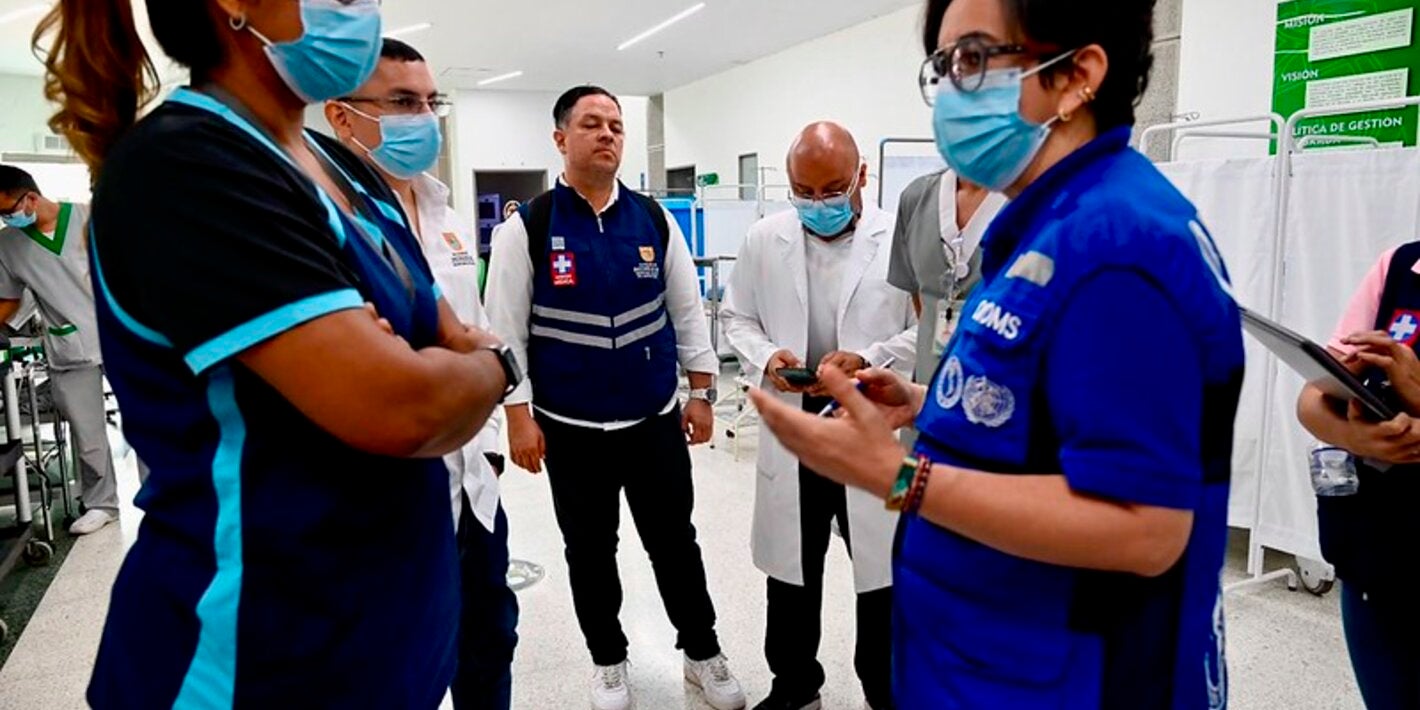
The Pan American Health Organization (PAHO) is accelerating health interventions across the Americas as the region grapples with overlapping public health challenges. Between earthquake recovery efforts in Colombia and Venezuela, surging measles cases, and rising cyberbullying incidents among youth, PAHO has deployed coordinated technical and operational responses designed to strengthen regional health systems.
Key takeaways
Colombia's health response enters phase two following the August 10 magnitude 7.4 earthquake, with damage assessment and essential service continuity as primary focus areas.
The Americas recorded their highest measles case count in 22 years, prompting PAHO to issue epidemiological alerts and call for strengthened vaccination surveillance.
PAHO launched a new prevention toolkit addressing cyberbullying, with one in four adolescents aged 13–17 in Latin America and the Caribbean reporting school-based bullying experiences.
Molecular diagnostic supplies delivered to Venezuela's National Laboratory Network aim to prevent disease outbreaks following June earthquakes.
The Bahamas joined PAHO's Alliance for Primary Health Care, expanding regional capacity-building partnerships in the Americas.
Colombia's earthquake response demonstrates PAHO's disaster-response coordination model. Just over one week into the crisis, the organization shifted focus from immediate humanitarian relief to systematic damage evaluation, identifying health infrastructure vulnerabilities, and ensuring hospitals and clinics continue serving patients. This phased approach reflects lessons learned from previous regional disasters.
Measles resurgence presents a distinct but equally urgent challenge. Immunity gaps, increased population mobility, and pockets of vaccine hesitancy have created conditions for rapid disease spread across multiple countries. PAHO's epidemiological alert targets both surveillance systems and vaccination campaign acceleration, recognizing that outbreak control requires real-time data and rapid deployment of immunization resources.
Mental health risks among adolescents also demand institutional attention. The new cyberbullying prevention toolkit addresses a gap in existing health protocols, providing practical frameworks for schools, parents, and health workers to identify and intervene in harassment cases. Digital marketing scrutiny and breastfeeding advocacy round out PAHO's August agenda, signaling expansion beyond acute crisis management into systemic health promotion.
These concurrent initiatives position PAHO as the regional coordinator for interconnected health threats, balancing emergency response with long-term disease prevention and youth protection strategies.