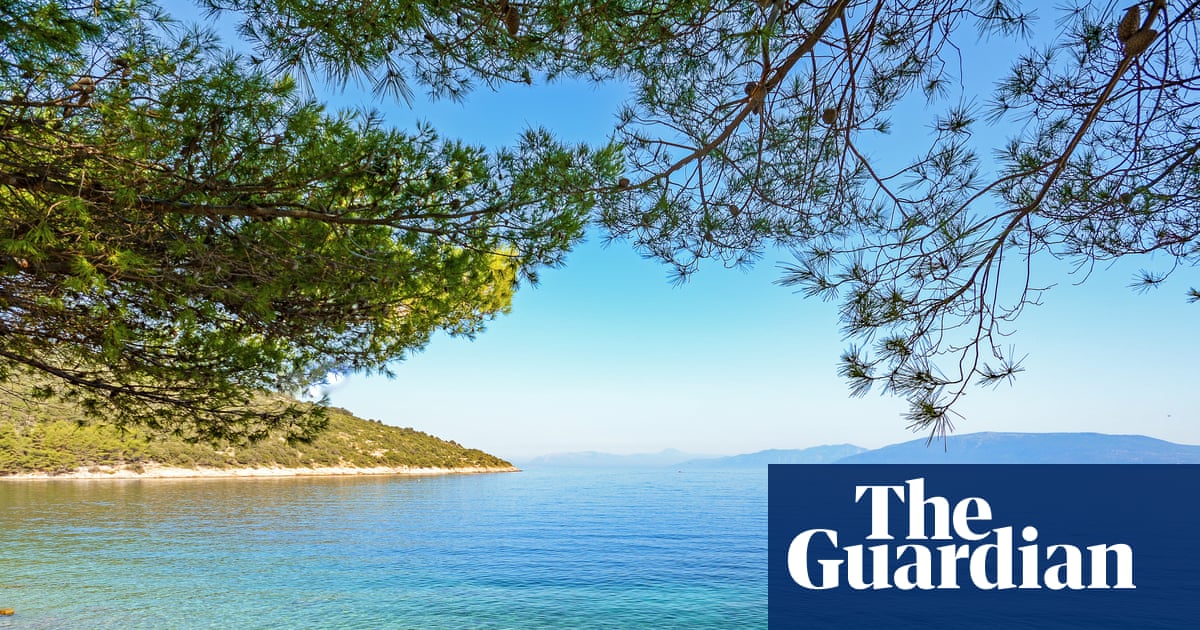
Across Europe, a constellation of smaller islands remains largely overlooked by mass tourism, yet offer some of the continent's most compelling coastal experiences. Recent reader surveys have identified a collection of underrated destinations that combine natural beauty with cultural authenticity, drawing a portrait of European travel beyond the typical Mediterranean circuit.
The appeal of these islands lies in their relative remoteness and limited commercial development. Many feature crystalline waters, traditional fishing villages, and landscapes shaped by centuries of local stewardship rather than resort construction. Visitors consistently report encountering genuine hospitality and prices substantially lower than established island hotspots.
What Makes These Islands Special
Unsung European islands typically share several defining characteristics: accessible infrastructure through regional ferries or small airports, preserved architectural heritage, and ecosystems still recovering from or never experiencing intensive tourism pressure. Many support small populations that maintain traditional fishing, agriculture, or artisan crafts as economic anchors.
Climate variations across these destinations offer distinct advantages depending on travel timing. Summer months bring calm seas ideal for swimming and water activities, while shoulder seasons provide optimal conditions for hiking and exploring without peak-season crowds. Local food cultures remain anchored to seasonal catches and regional agriculture rather than adapted tourist menus.
Accessibility has improved gradually over the past decade, with better ferry connections and small accommodation options emerging to meet growing interest. However, development remains incremental and largely managed by family enterprises rather than international hotel chains.
Practical Considerations for Island Exploration
Successful visits to lesser-known islands require different preparation than mainstream destinations. Transportation schedules are less frequent, requiring advance planning and flexibility. Currency considerations vary significantly—some islands use euros while others maintain distinct economic systems affecting pricing and payment methods.
Accommodation ranges from traditional guesthouses run by longtime residents to newly converted stone buildings maintaining historical aesthetics. Many islands lack high-capacity tourist infrastructure, which simultaneously protects their character and necessitates booking accommodation well ahead of travel dates.
Language barriers typically prove minimal, with English widely spoken among younger generations and tourism staff. Dining experiences center on local seafood, seasonal vegetables, and wines from nearby mainland regions, offering genuine culinary encounters rather than internationalized resort fare.
Travel during May through September generally provides optimal weather conditions, though May and September offer superior ratios of pleasant temperatures to visitor density. Winter travel remains possible on certain islands with year-round populations and services, though transportation becomes less reliable and some facilities close seasonally.