Some places on a map are described in superlatives so often that the words stop meaning much. Ngorongoro Crater is one of the rare ones that still earns them. It is the largest unbroken volcanic caldera on Earth, a bowl of grassland and forest and soda lake sunk 600 meters into the ground, ringed by walls so steep that the animals living inside rarely bother to leave. For travelers piecing together a Tanzania itinerary, it's often the single most concentrated day of wildlife viewing they will ever experience.
A Crater Built Like a Stage
Around 2.5 million years ago, a volcano roughly the size of Kilimanjaro collapsed in on itself after a massive eruption, leaving behind a caldera 19 kilometers across. What makes Ngorongoro so different from the Serengeti it borders is precisely that enclosure. The crater floor holds an estimated 25,000 large animals at any given time, packed into just 260 square kilometers, with the walls acting almost like a natural fence that keeps the ecosystem self-contained year-round.
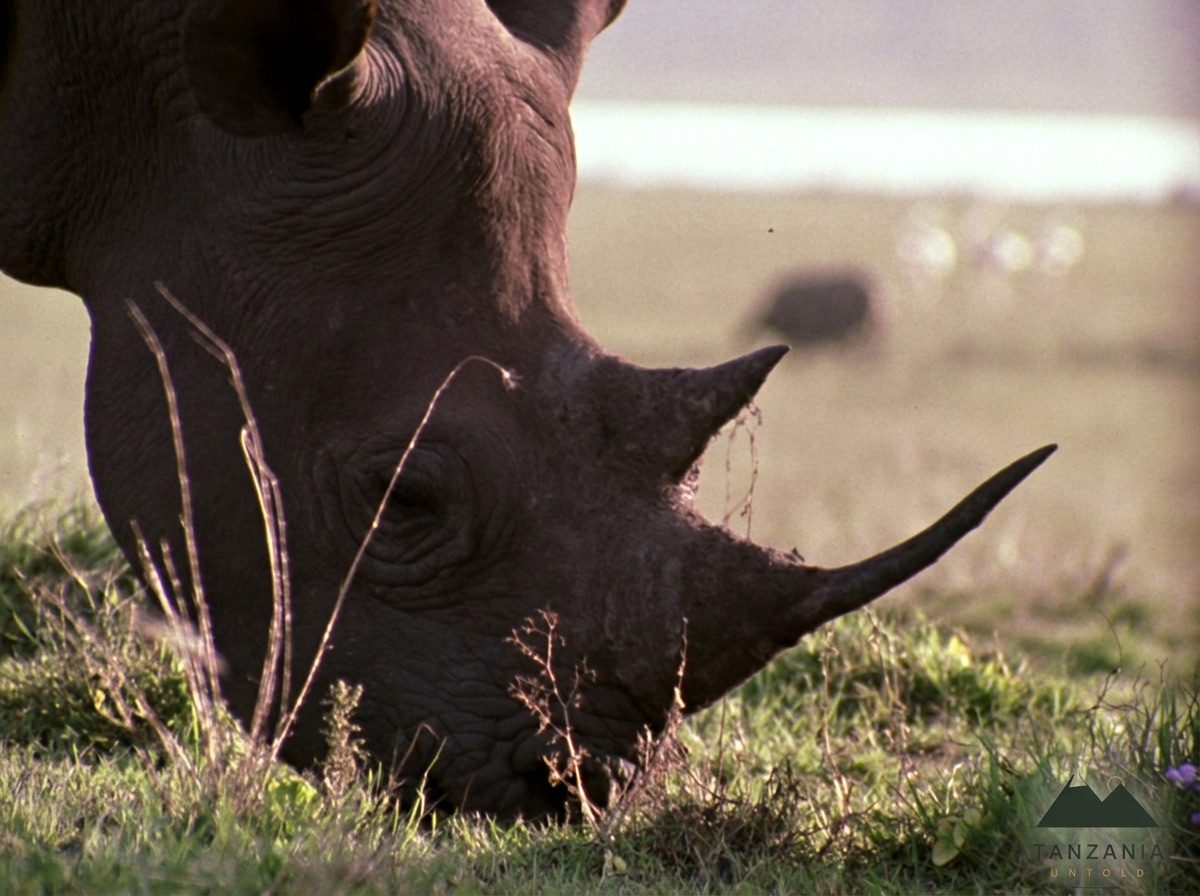
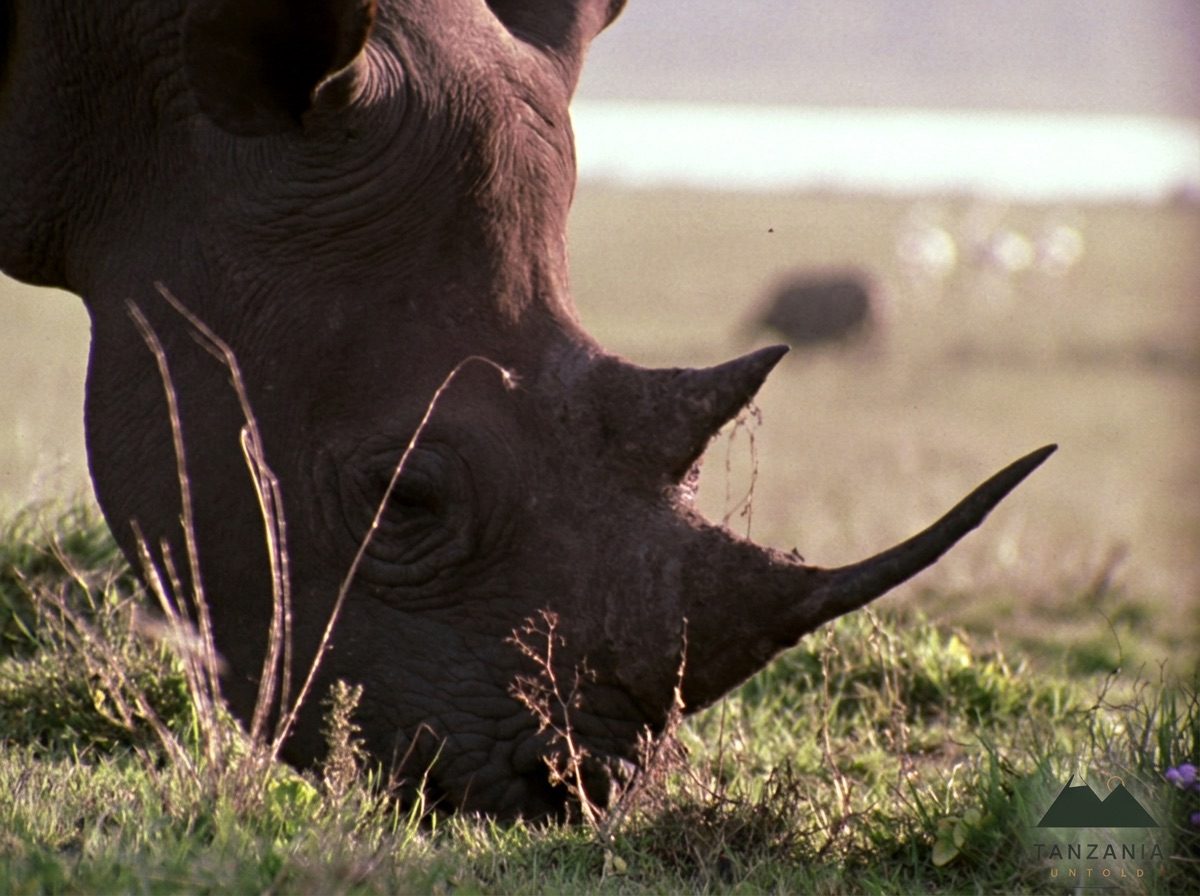
That density is what draws people. Within a single morning drive, it's genuinely possible to see lion, elephant, buffalo, hippo, zebra, wildebeest, and flamingo without covering more than a few kilometers of ground. Ngorongoro is also one of the last strongholds of the critically endangered black rhino, and sightings here are more reliable than almost anywhere else in East Africa.
The Maasai Who Still Call It Home
Unlike the Serengeti, Ngorongoro is not a national park but a conservation area, a distinction that matters on the ground. The Maasai people have grazed cattle on these highlands for generations, and they continue to live within the wider conservation area today, herds moving alongside zebra and wildebeest in a rare working example of pastoralist life coexisting with protected wildlife. Travelers driving in and out of the crater often pass Maasai bomas along the rim road, a reminder that this landscape has always been inhabited, not just preserved.
Cultural visits to Maasai communities near the crater rim are widely offered and, done respectfully through reputable operators, offer a genuine window into a way of life that has adapted to tourism without disappearing into it.
Getting the Visit Right
Most visitors descend into the crater for a single day, typically as part of a longer northern circuit safari that also covers the Serengeti and Lake Manyara. Vehicles enter via steep switchback roads at dawn, when the light is softest and the animals are most active, before climbing back out to rim-side lodges in the afternoon. Because access is tightly regulated to protect the ecosystem, only a limited number of vehicles are permitted on the crater floor at once, which keeps the experience from feeling crowded despite the wildlife density.
The rim itself sits at around 2,200 meters, meaning mornings and evenings can be surprisingly cold for anyone expecting classic savannah heat. Lodges along the rim, many of them positioned for direct crater views, make up for the chill with some of the most dramatic sunrise vistas in Tanzania.
Worth the Detour
Ngorongoro is sometimes treated as a warm-up act before the Serengeti, a box to check on the way north. That undersells it. The crater rewards travelers precisely because it compresses so much of what makes East African safari extraordinary into one contained, walkable-with-binoculars space — geology, wildlife density, and a living human culture, all inside the rim of an extinct volcano.
For anyone weighing whether to add an extra day to a Tanzania itinerary, Ngorongoro is usually the answer. Few places let you witness that much life within sight of a single ridge line.
Planning a northern circuit safari? Pairing an early crater descent with a rim-side lodge stay tends to deliver the best light, the coolest game-drive hours, and the calmest crowds — worth building around rather than squeezing in as an afterthought.