
A newly released global ranking has named Panama the best country in the world for expatriates in 2026, based on feedback from thousands of people who have relocated abroad. The list, compiled from surveys measuring cost of living, ease of settling in, career opportunities and quality of life, places Central America's smallest isthmus nation ahead of longtime expat favourites in Europe and Asia.
Panama's rise reflects a broader shift in what expats now prioritise. Rather than chasing the cheapest destination or the most scenic one, remote workers and retirees are weighing how quickly they can plug into daily life — fast internet, straightforward visas, and a functioning healthcare system matter more than they did a decade ago.
How are the rankings actually calculated?
The survey works by polling expats directly rather than relying purely on macroeconomic data. Respondents rate their host country across categories including local friendliness, digital infrastructure, housing affordability and administrative ease — things like how long it takes to open a bank account or secure a work permit.
Those scores are then weighted and combined into an overall index. Countries that score high on both financial livability and personal wellbeing tend to top the list, while nations that are cheap but bureaucratically difficult, or comfortable but expensive, often land in the middle tier.
Why is Panama pulling ahead now?
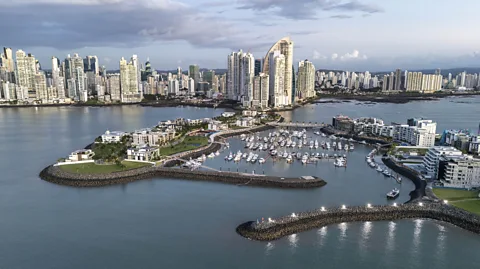
Panama City has become a magnet for remote workers thanks to its US dollar-pegged currency, reliable fibre internet and a residency scheme aimed specifically at digital nomads and pensioners. Reza Motalebpour, an expat based in the capital, points to the city's ease of working remotely as a key reason he settled there.
The country also benefits from geography: a short flight from major US hubs, a functioning international airport, and a growing expat community that lowers the barrier for newcomers navigating unfamiliar systems.
Which other countries made the cut?
Beyond Panama, the 2026 rankings favour destinations that blend affordability with strong digital and social infrastructure — a pattern seen across several mid-sized economies in Latin America, Southeast Asia and parts of Southern Europe. Countries that scored poorly tended to combine high living costs with slow-moving visa bureaucracy.

The takeaway for prospective movers is straightforward: the best country for an expat now depends less on postcard appeal and more on how efficiently a place lets someone build an ordinary life — work, banking, healthcare — from day one.