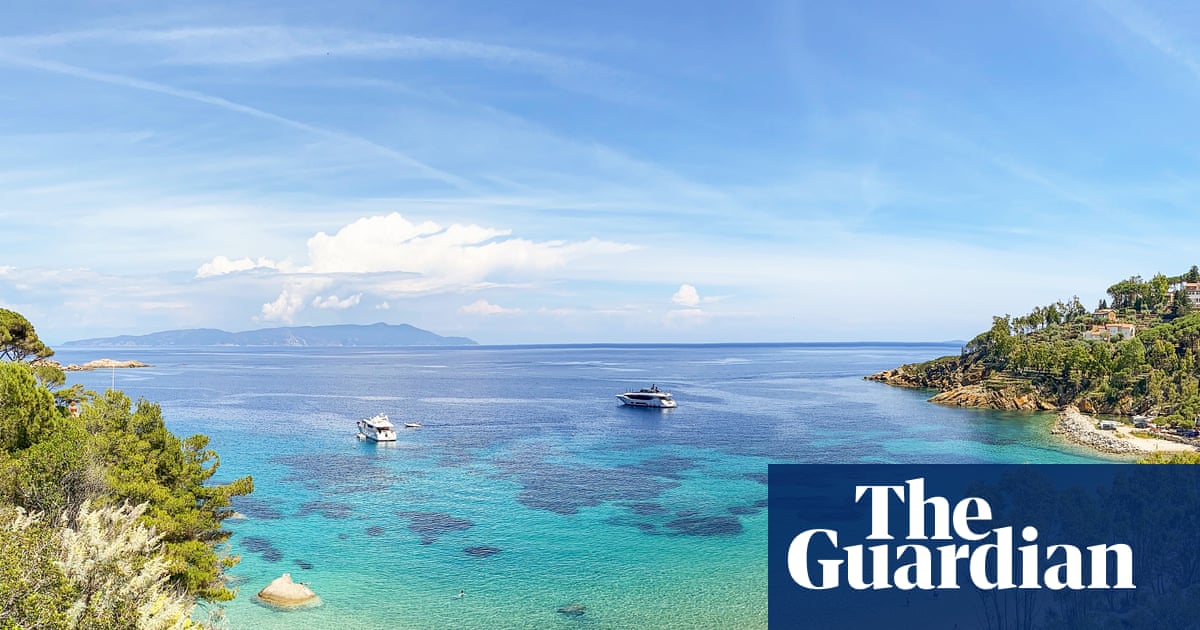
Tuscany's archipelago stretches across the Tyrrhenian Sea, encompassing over 200 islands and islets that remain far less crowded than mainland tourist hotspots. Five islands stand out as essential destinations, each delivering distinct experiences that showcase Italy's diverse coastal heritage and natural beauty.
Elba, the largest island in the Tuscan Archipelago National Park, covers approximately 224 square kilometers and attracts visitors with dramatic granite peaks, secluded beaches, and a complex historical narrative. The island's most famous resident was Napoleon Bonaparte, who spent ten months here during his first exile between 1814 and 1815. Today, Elba balances beach tourism with hiking trails that reward visitors with panoramic Tyrrhenian views and opportunities to explore fortifications from earlier centuries.

Portoferraio, Elba's main port town, retains the architectural character of its 16th-century fortified past while offering contemporary dining and accommodation alongside period attractions like the Palazzina dei Mulini, where Napoleon maintained his residence.
Smaller Islands: Exclusivity and Natural Appeal
Pianosa and Montecristo present contrasting models of island accessibility and conservation. Pianosa transitioned from a penal colony to a nature reserve, now welcoming a controlled number of daily visitors who can explore its crystalline waters and remnants of its complex past. Montecristo, featured prominently in Alexandre Dumas's literary classic, remains heavily protected with visitor numbers capped at just 1,000 annually, ensuring pristine ecosystems and genuine solitude.
Gorgona, Italy's smallest inhabited island, operates as a working penal facility while simultaneously welcoming carefully organized tours that showcase its Benedictine monastery ruins and ecological significance. The island's unique dual purpose—secure institution and cultural heritage site—reflects Italy's innovative approach to heritage management.
Infrastructure and Visitor Dynamics
Ferry services from Piombino on the mainland connect these islands year-round, with seasonal routes expanding during summer months. Ferries to Elba operate approximately hourly during peak season, with journey times of one hour. Access policies differ substantially across islands, creating distinct experiences: Elba welcomes independent travelers and accommodates 4.2 million annual visitors across the entire archipelago, while protected reserves like Montecristo require advance booking through authorized operators.
The economic model supporting these islands balances tourism revenue with conservation imperatives. Visitor caps and permit systems generate funding for environmental monitoring while preventing infrastructure strain that characterizes overdeveloped Mediterranean destinations.
Summer temperatures average 26-28°C with calm waters ideal for swimming and diving from June through September. Late spring and early autumn offer reduced crowds and still-pleasant conditions, attracting travelers seeking Mediterranean experiences without peak-season congestion. The islands collectively represent Tuscany's commitment to preserving Mediterranean character while facilitating sustainable access to some of Italy's most distinctive coastal environments.