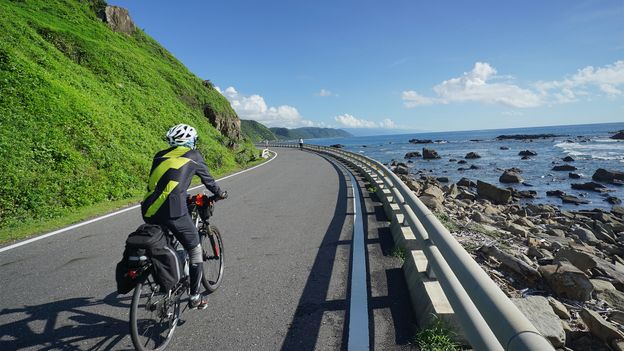
Taiwan's legendary 1,000-kilometer circumnavigation by bicycle—known locally as the Huandao—has evolved from a predominantly domestic milestone into a growing international pilgrimage. Each year, thousands of riders complete this demanding loop, experiencing landscapes and communities that remain largely invisible to conventional tourism.
Key takeaways
Taiwan's 1,000km island circuit attracts thousands of annual cyclists, with increasing participation from international tourists
The Huandao represents a cultural milestone for many Taiwanese, often completed before university enrollment
Cyclists traverse coastal highways, mountain passes, and remote indigenous territories rarely accessed by standard travelers
The multi-week journey requires moderate fitness levels and access to Taiwan's extensive cycling infrastructure
Growing tourism demand reflects broader appetite for immersive, adventure-based travel experiences beyond urban centers
What distinguishes the Huandao from conventional bike tours is its scope and cultural significance. The route combines Taiwan's dramatic topography—from the island's west-coast lowlands to mountainous eastern regions—into a continuous narrative arc that connects disparate communities and ecosystems. Riders typically complete the journey over 10-14 days, averaging 70-100 kilometers daily.
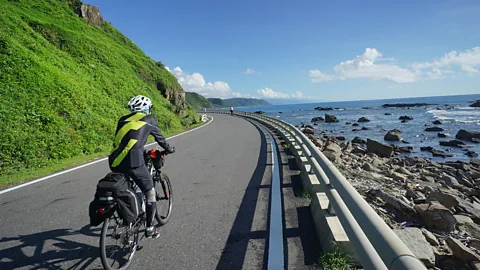
For Taiwanese participants, the Huandao carries ceremonial weight comparable to other cultural rites of passage. Completing the circuit before beginning university education remains customary, marking the transition from adolescence to adulthood. This tradition has created a robust support infrastructure: dedicated cycling routes, rest stations, and hospitality networks designed specifically for Huandao participants.
The influx of foreign cyclists reflects shifting travel preferences toward physically demanding, culturally immersive experiences. Tourism operators now offer guided group rides alongside self-supported options, accommodating varying skill levels and preferences. This expansion introduces international audiences to Taiwan's indigenous territories, agricultural regions, and coastal communities typically bypassed by conventional guided tours.
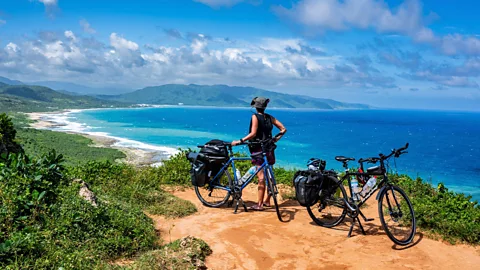
Taiwan's cycling infrastructure—including dedicated lanes, service stations, and detailed route mapping—supports this growing tourism segment. As adventure tourism continues gaining market share over traditional resort-based travel, the Huandao exemplifies how multi-day cycling expeditions convert individual athletic challenges into meaningful cultural encounters and sustained regional economic benefits.